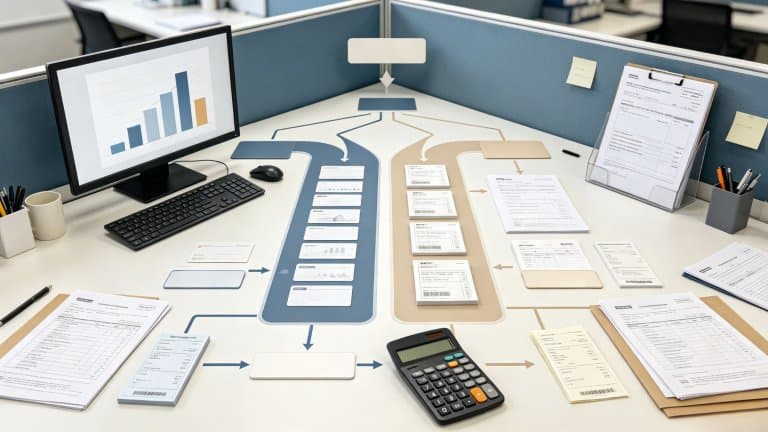
Building a Year-Round Tax Recordkeeping System for Easier Filing Preparation

For many U.S. taxpayers, tax season becomes a stressful period of searching for missing receipts, recovering account information, and organizing months of financial records under strict deadlines. Waiting until the final weeks before filing can increase the chance of overlooked deductions, incomplete documentation, and avoidable mistakes.
A year-round tax recordkeeping system changes this process from a rushed annual task into a manageable financial routine. By organizing documents consistently, understanding record retention expectations, and reviewing information throughout the year, taxpayers can create a more reliable foundation for accurate tax preparation.
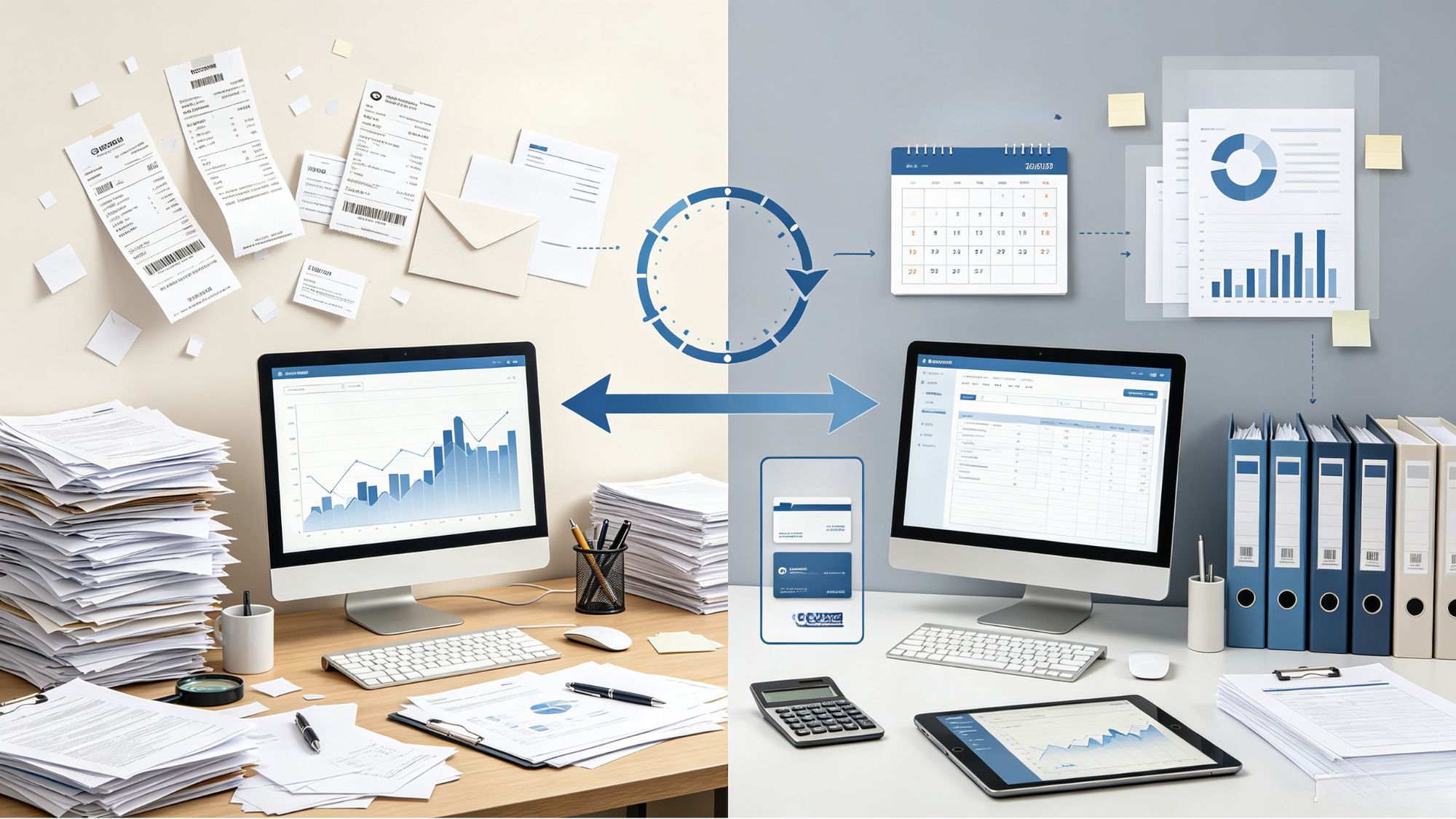
Moving From Last-Minute Preparation to Continuous Organization
The biggest challenge with late tax preparation is that important financial information is often scattered across emails, bank accounts, paper documents, and online portals.
Receipts for deductible expenses, charitable contributions, investment records, and income statements can become difficult to locate when collected all at once. A year-round system reduces this problem by creating regular checkpoints instead of relying on memory months later.
A simple monthly review—such as organizing receipts, downloading statements, and categorizing expenses—can significantly reduce the workload when tax filing begins.
Creating a Practical Tax Document Structure
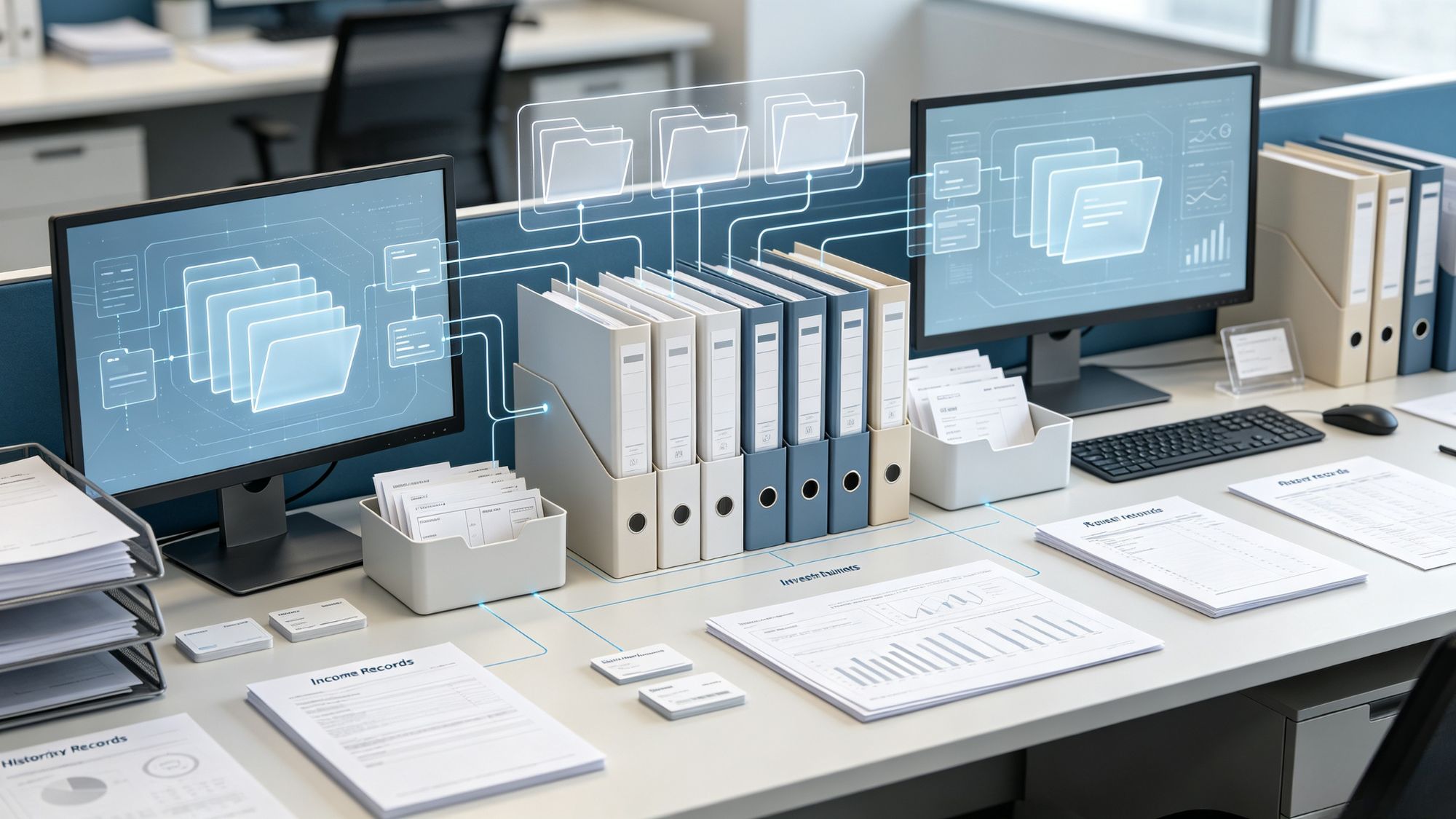
An effective recordkeeping system starts with clear categories. Whether documents are stored digitally or physically, separating information by purpose makes future review easier.
Common categories include:
Income Records
These files may include:
W-2 forms from employers
1099 forms from contract or investment activities
Brokerage statements
Business income records
Other sources of taxable income
Keeping income documents together helps taxpayers verify that reported earnings match their annual tax filings.
Deduction and Expense Records
Deduction-related documentation may include:
Medical expense records
Mortgage interest statements
Property tax documents
Charitable contribution receipts
Business expense invoices
Maintaining these records throughout the year makes it easier to determine whether certain deductions may apply.
Asset and Investment Documentation
Investment and property records require special attention because they may affect future tax calculations.
Important documents may include:
Purchase confirmations
Cost basis information
Real estate improvement records
Depreciation schedules for eligible assets
These records can become important when assets are sold or transferred.
Understanding How Long Tax Records Should Be Kept
Many taxpayers are unsure whether financial documents should be saved for a few years or indefinitely. The appropriate retention period depends on the type of record and the taxpayer’s situation.
Generally, many tax records should be kept for at least three years after filing, which corresponds to the common federal review period for many tax return issues. However, certain circumstances may require longer retention.
For example:
Records related to property purchases and improvements may need to be maintained until the property is sold and related reporting obligations are completed.
Investment records should generally be kept while ownership information is relevant for calculating gains or losses.
Copies of previous tax returns can be useful long-term references for future planning and documentation.
Because tax rules vary depending on circumstances, taxpayers should review current IRS guidance when determining specific retention needs.

Building Monthly and Quarterly Review Habits
A successful recordkeeping system depends on consistency rather than complicated tools.
Monthly Maintenance
A monthly review can include:
Downloading digital receipts
Scanning important paper documents
Organizing bank and investment statements
Updating income and expense categories
This prevents documents from accumulating into an overwhelming collection.
Quarterly Reviews
Quarterly reviews are especially useful for self-employed individuals, investors, and taxpayers with changing income.
During these reviews, taxpayers can:
Compare income records with financial statements
Review estimated tax obligations when applicable
Check whether important documents are missing
Update financial records before deadlines approach
Regular reviews provide a clearer picture of financial activity throughout the year.

Conclusion
A year-round tax recordkeeping system helps taxpayers replace last-minute preparation with a more organized approach. By maintaining structured document categories, understanding appropriate retention periods, and completing regular monthly and quarterly reviews, individuals can improve accuracy and reduce the difficulty of annual filing preparation.
Rather than treating tax organization as a once-a-year responsibility, building consistent recordkeeping habits creates a stronger foundation for long-term financial management.
Filed under