Digital Inheritance Planning: Building a Recovery and Succession Plan for Long-Term Cryptocurrency Holdings
Self-custody gives cryptocurrency holders direct control over their assets, but that control comes with an unusual responsibility: access does not automatically transfer when the owner can no longer manage the wallet. A bank account can usually be handled through established estate procedures. A self-custodial wallet works differently because control ultimately depends on the cryptographic credentials required to authorize transactions.
That creates a problem that is easy to overlook during normal wallet management. A person may have a carefully protected long-term portfolio, reliable backups, and strong security practices, yet still have no practical way for the intended heirs to understand how those assets can be recovered. The challenge is not simply protecting a recovery phrase. It is building a succession process that remains secure during the owner's lifetime while being understandable and usable when someone else eventually needs to take responsibility.
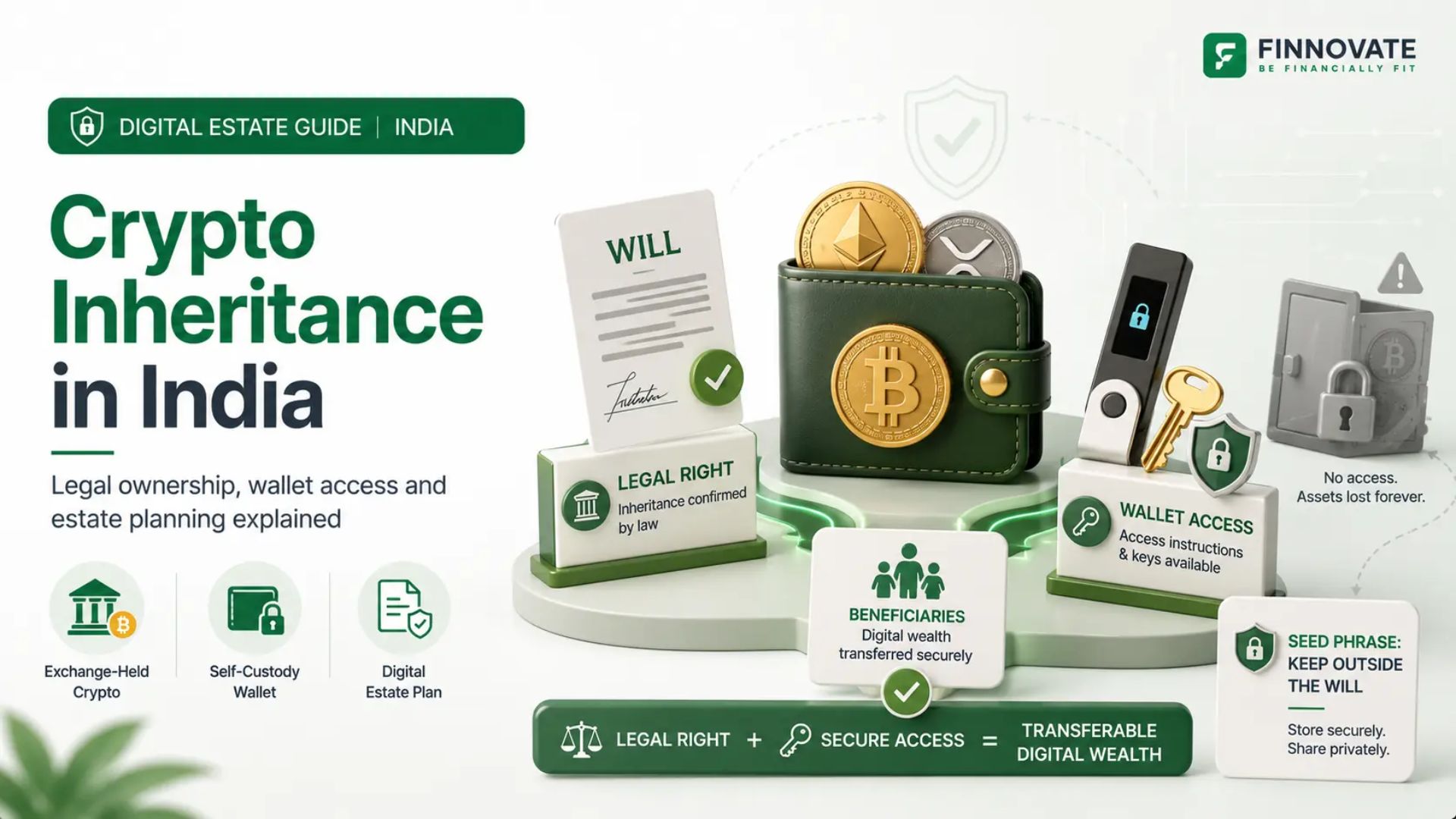
Why Digital Asset Inheritance Is Different
Traditional estate planning has established procedures for transferring many types of property. Executors and beneficiaries can work with banks, brokers, insurers, property registries, and other institutions using legal documents that establish authority.
A blockchain address does not work that way. The network generally does not recognize a will, probate order, or death certificate as a mechanism for changing control of an address. Transactions are authorized through the cryptographic credentials associated with the wallet.
That does not mean estate law becomes irrelevant. Legal ownership, beneficiary rights, taxation, and probate requirements can still apply depending on the jurisdiction and the type of asset involved. The practical problem is that legal authority and technical access are separate issues. An heir may have a legitimate legal claim to an asset and still be unable to move it if the necessary wallet credentials cannot be recovered.
A workable inheritance plan therefore has to bridge both sides: the legal instructions that establish who should receive the assets and the technical information needed to access them.
Common Mistakes in Crypto Inheritance Planning
The simplest-looking solutions are not always the safest.
Putting Recovery Credentials in a Will
A seed phrase or private key should not simply be copied into an ordinary will. Estate documents can pass through lawyers, courts, executors, or other parties during the administration process, depending on local law. A document intended to explain ownership is not necessarily an appropriate place to store credentials that can directly control digital assets.
A better approach is to keep legal instructions and sensitive wallet credentials separate. The estate documents can identify the existence of digital assets and establish the relevant beneficiaries or fiduciaries, while technical recovery information is protected through a separate process.
The exact legal structure should be determined with a qualified estate professional familiar with the relevant jurisdiction.
Relying Entirely on Verbal Instructions
A family member may know that a hardware wallet exists without knowing what it controls, where its backup is stored, or how the recovery process works. Under normal circumstances, that may seem like a minor inconvenience. During an emergency, it can become a serious obstacle.
Wallet recovery can involve device-specific procedures, account structures, network selection, passphrases, or other details that are not obvious to someone who has never used the system. A short technical guide can therefore be far more useful than a verbal explanation given years earlier.
Keeping Everything in One Digital Vault
Centralizing all recovery information in an email account, cloud drive, password manager, or unencrypted document creates another concentration of risk.
Cloud services can be useful for ordinary documentation, but sensitive wallet credentials require a more careful approach. The question is not simply whether a provider is reputable. It is whether compromising that single account could expose enough information for someone else to gain control of the assets.
The safest arrangement is often one where an attacker who compromises a single information source still does not have everything needed to access the wallet.
Separate Legal Instructions From Technical Access
A practical inheritance plan can be divided into two layers.
The legal layer establishes ownership intentions, beneficiaries, fiduciary roles, and other matters that belong in formal estate planning documents. These details depend heavily on local law, so professional legal advice is appropriate when significant assets are involved.
The technical layer explains how the digital assets are organized without casually exposing the credentials that control them.
A technical memorandum might identify:
which blockchain networks are involved;
which wallets are used;
the public addresses associated with those wallets;
where hardware devices are stored;
where physical recovery backups are located;
which applications or devices may be needed during recovery;
what steps should be followed before moving any assets.
The memorandum does not need to contain every secret. In fact, separating the instructions from the credentials can be one of the most useful security boundaries in the entire plan.
The goal is to make the recovery process understandable without creating a single document that becomes a master key.

Build a Recovery Process That Another Person Can Actually Follow
A common weakness in inheritance planning is designing a system that makes perfect sense to the owner but almost no sense to anyone else.
Imagine an heir finding a hardware wallet, a metal backup, and several pages of notes. Which wallet does the backup belong to? Which network contains the assets? Is an additional passphrase required? Is the device itself enough to recover the account? Does the person know which address should receive recovered assets?
Good documentation answers those questions without revealing more sensitive information than necessary.
Clear labeling helps. So does keeping a current inventory of public addresses and wallet roles. The information should be reviewed periodically because wallet structures change, devices are replaced, and assets may move between addresses over time.
Using Multi-Signature Structures for Succession
For larger holdings, some users may consider multi-signature arrangements.
A multi-signature wallet can require more than one authorized key to approve a transaction. A 2-of-3 arrangement, for example, can require any two of three designated signers to authorize an action. This can reduce dependence on a single key and may provide useful resilience if one signer becomes unavailable.
But multi-signature is not the same thing as splitting a seed phrase into pieces. It is a different architecture with different recovery requirements.
A succession design might distribute signing responsibility among several trusted parties or maintain separate recovery locations. The exact arrangement depends on the wallet software, supported networks, legal structure, and the people responsible for recovery.
The important principle is to avoid creating a system that only the original owner understands. Every participant who may be responsible for recovery should know what their role is and what information they are expected to protect.
What About Secret Sharing?
Secret-sharing systems take a different approach. Instead of requiring several independent signatures for a transaction, a secret can be divided into multiple shares, with a defined number of shares required to reconstruct it.
This can help address physical-loss scenarios, but it also creates new operational questions. The shares need to be stored securely, their purpose needs to be documented, and the recovery procedure needs to remain understandable years later.
Secret sharing should therefore be treated as a technical option rather than an automatic recommendation. Anyone considering it should understand the specific implementation being used and verify that the recovery process works as expected before relying on it for significant assets.
Create a Public-Information Inventory
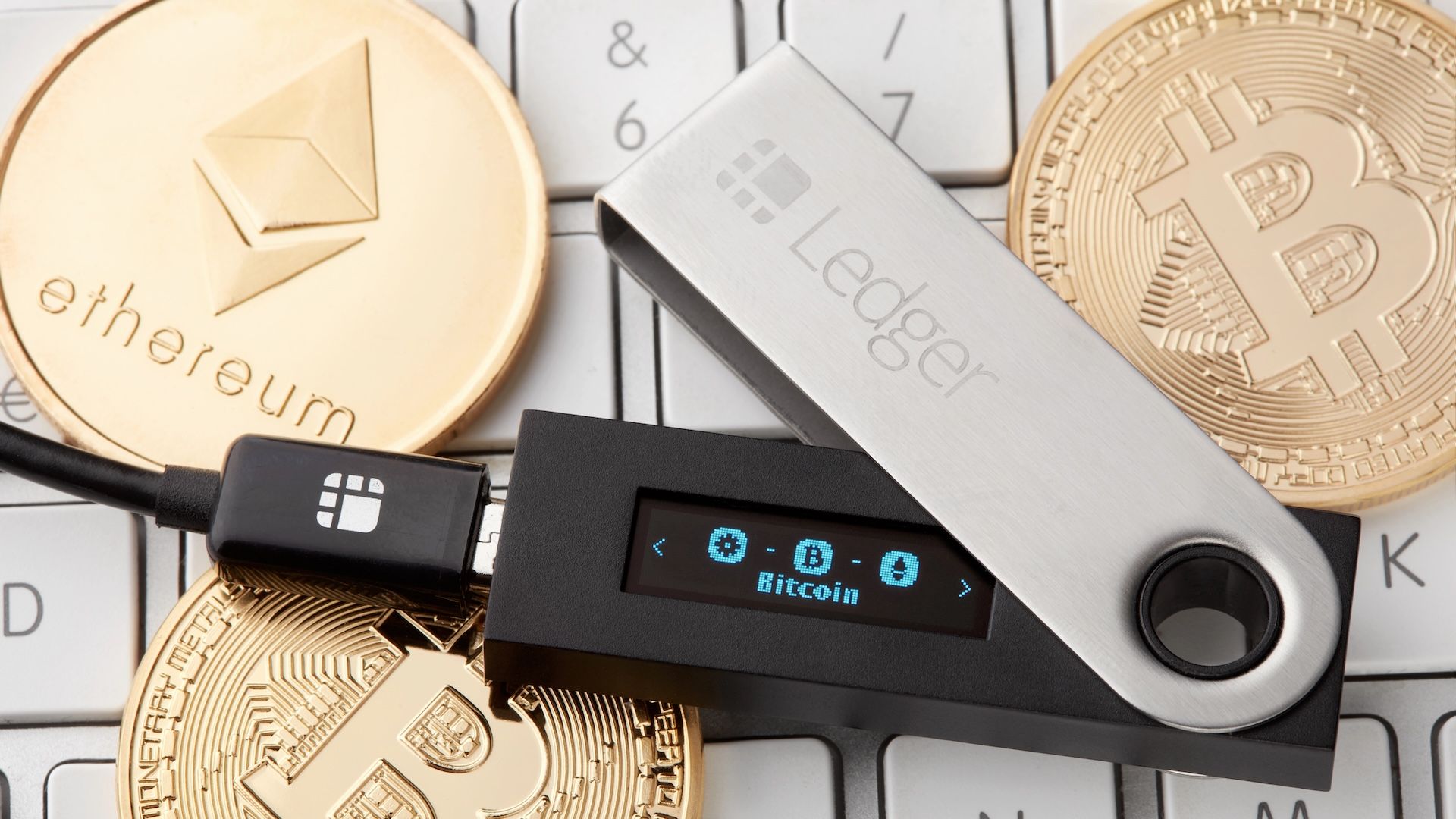
An inheritance plan needs enough information to reveal that assets exist without exposing the credentials that control them.
A useful inventory can include:
wallet names or labels;
blockchain networks used;
public addresses;
approximate categories of assets;
the location of hardware devices;
the location of physical backups;
relevant service or account information;
instructions for contacting the appropriate professional adviser.
Private keys, seed phrases, PINs, passwords, and other control credentials should be handled separately.
The inventory should also be reviewed when the wallet structure changes. An outdated document can be almost as confusing as having no documentation at all.
Test the Recovery Plan
A recovery plan should not exist only on paper.
A controlled recovery exercise can reveal problems that are difficult to notice during normal use. Perhaps a device requires an application that is no longer installed. Maybe the written instructions use an old wallet name. Perhaps a backup exists but nobody remembers which wallet it belongs to.
Testing should be designed carefully so that it does not expose the actual recovery credentials unnecessarily. The purpose is to verify the procedure, not to create another opportunity for sensitive information to leak.
For complex arrangements, involving a qualified technical adviser may be appropriate. The person assisting with the test should not automatically receive unrestricted access to the assets.
Think About Physical Security as Well
Digital inheritance is not purely a cybersecurity problem.
Physical locations matter. A recovery backup can be compromised through theft, damaged through environmental conditions, or discovered by someone who was never supposed to have access to it. At the same time, placing every backup in one location can create a single physical point of failure.
The right arrangement depends on the individual's circumstances and threat model. What matters is that the plan accounts for both loss and unauthorized access.
There is also a human element. Family members may know that a digital asset plan exists without knowing why certain pieces of information have been deliberately separated. Clear instructions can prevent a well-intentioned person from combining information that was designed to remain compartmentalized.
Review the Plan as Circumstances Change
An inheritance plan is not a document that should be created once and forgotten.
Wallets change. Devices are replaced. Addresses change. Family circumstances change. Estate laws can change as well.
A periodic review can confirm that the documented wallet inventory remains accurate, backups are still accessible, and the people responsible for legal or technical duties are still appropriate choices.
The review does not need to become a complicated annual project. The important part is consistency. A simple plan that stays current is generally more useful than an elaborate plan that becomes outdated.
Keep Legal and Technical Advice in Their Proper Roles
Cryptocurrency inheritance sits at the intersection of several disciplines. Estate law determines how property and beneficiary rights are handled. Tax rules may affect reporting and transfers. Wallet technology determines how technical control works.
No single document can answer every question.
An estate attorney can address matters such as wills, trusts, beneficiaries, probate, and jurisdiction-specific requirements. A qualified technical professional can help explain wallet recovery and security architecture where necessary.
Those roles should complement each other rather than replace one another.
The Goal Is a Transferable Process, Not Just a Secret
The weakest inheritance plan is often the one that protects the seed phrase perfectly but leaves nobody capable of understanding what to do with it.
The stronger approach combines several layers: legal documentation, a current asset inventory, carefully protected recovery information, clear technical instructions, and a realistic succession process.
That structure also reduces the temptation to place everything in one document or give one person unrestricted access simply for the sake of convenience.
Conclusion
Digital inheritance planning is an important part of long-term self-custody, but it is not simply a matter of handing a seed phrase to a beneficiary. The real challenge is connecting legal succession with technical access while keeping both secure.
Separating legal documents from sensitive credentials, maintaining an accurate public-address inventory, documenting the recovery process, testing that process, and considering appropriate multi-signature or secret-sharing structures can make the eventual transition easier to manage.
The exact solution will depend on the assets involved, the wallet architecture, the people responsible for recovery, and the laws that apply to the estate. For substantial holdings, professional legal and technical advice can help avoid assumptions that may prove costly later.
The central principle is simple: protect access today without making legitimate recovery impossible tomorrow.
Filed under
More Stories