How to Build a Tax Document Retention System That Keeps Financial Records Organized and Audit-Ready

Filing a federal income tax return is only one part of maintaining tax compliance. The other important responsibility is keeping accurate records that explain how income, deductions, and financial decisions were reported.
If the Internal Revenue Service (IRS) questions a tax return, taxpayers may need to provide documents showing where reported numbers came from. Without organized records, locating old receipts, bank statements, or supporting documents can become difficult and may create unnecessary challenges during a review.
A practical tax document retention system does not require complicated accounting procedures. It requires consistent organization, clear file structures, and an understanding of which records should be preserved and for how long.
Understanding the Difference Between Tax Forms and Supporting Documents
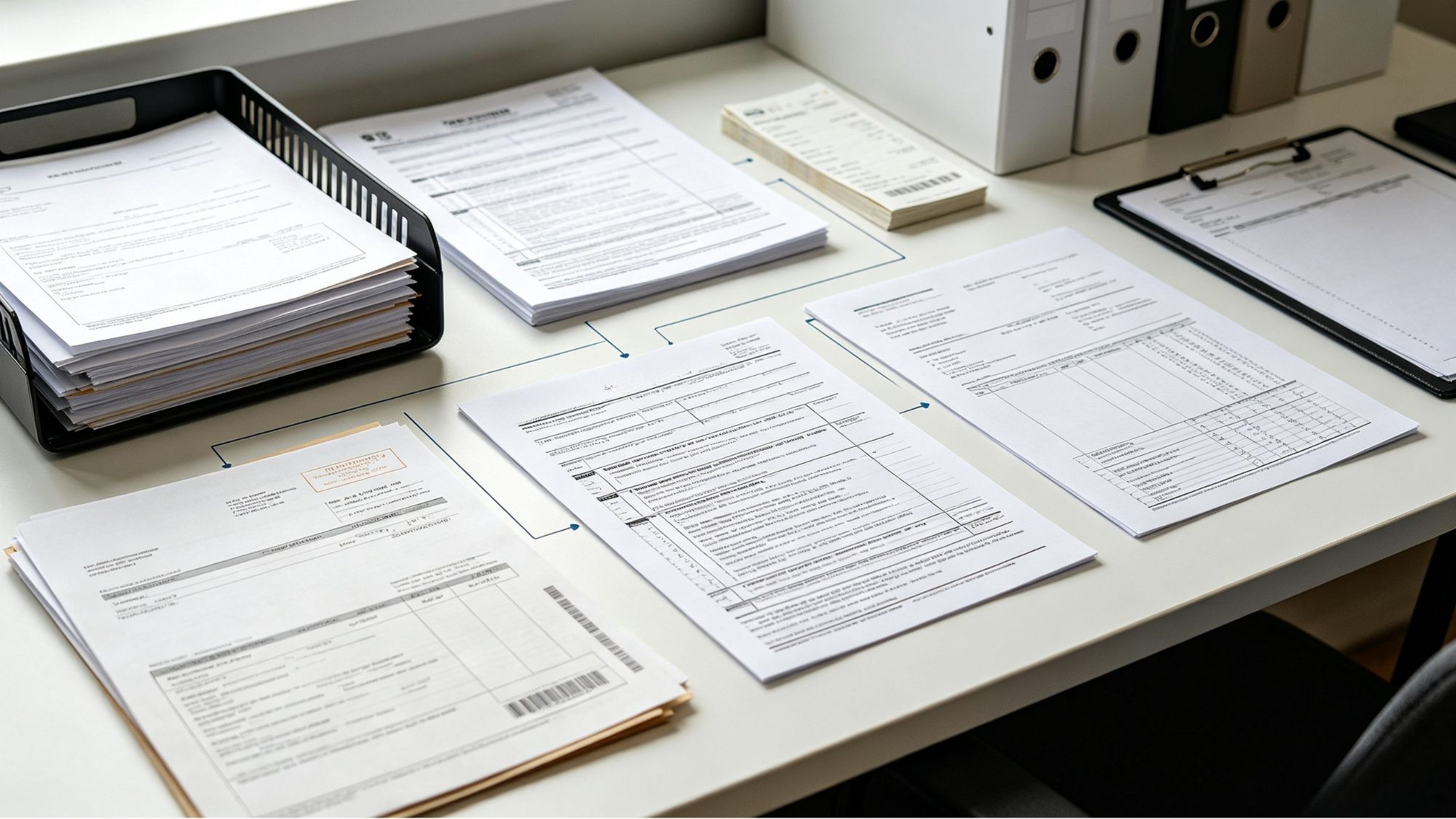
Many taxpayers keep copies of their filed returns but overlook the supporting records behind those returns. However, tax forms alone usually do not prove why a specific deduction or income amount was reported.
Primary tax documents include official forms such as:
W-2 forms for employee wages
1099 forms for freelance, investment, or other income
1098 forms for mortgage interest information
Filed federal and state tax returns
These documents show reported income and tax information, but supporting evidence explains the details behind those figures.
Supporting documents may include:
Bank statements
Credit card statements
Vendor invoices
Payment confirmations
Receipts
Business expense records
For example, a business owner claiming software expenses on a tax return should be able to connect the deduction to an invoice, payment record, and business purpose. Creating this connection throughout the year makes future tax reviews much easier.
Creating a Searchable Digital Filing System
Modern taxpayers often store financial records digitally, but simply saving files is not enough. Thousands of unnamed PDFs and scanned receipts can become difficult to search years later.
A reliable archive begins with a consistent naming system.
Use Clear File Names
A practical format is:
Year-Month-Day + Vendor + Category + Amount
Example:
2026-04-15_Adobe_Software_54.pdf
This structure allows files to sort automatically by date while making the document’s purpose immediately visible.
Instead of searching through files named “Receipt123.pdf,” taxpayers can quickly identify specific expenses when preparing returns or responding to document requests.
Organize Records by Tax Year
A simple folder structure can improve long-term accessibility:
Tax_Archive_2026
01_Income
W-2 forms
1099 forms
Investment statements
02_Deductions
Receipts
Medical expenses
Charitable contributions
03_Banking
Bank statements
Credit card summaries
04_Returns
Filed tax returns
IRS correspondence
Confirmation notices
Using the same structure every year reduces confusion and makes older records easier to locate.

Keeping Records That Require Additional Documentation
Certain tax-related items require more detailed tracking because they depend on ongoing records rather than a single document.
Vehicle and Mileage Records
Business vehicle deductions require more than fuel receipts. Taxpayers generally need records showing:
Date of travel
Business purpose
Starting and ending locations
Total mileage
Maintaining mileage information throughout the year is more reliable than attempting to recreate travel history later.
Home Office and Business Expenses
For taxpayers claiming business-related home expenses, documentation should support how the space is used and how expenses were calculated.
Useful records may include:
Utility bills
Rent or mortgage information
Floor measurements
Business-use calculations
Keeping these records at the time expenses occur creates stronger documentation than reconstructing information years later.

Following IRS Record Retention Guidelines
One common question is how long tax documents should be kept. The answer depends on the type of record and the taxpayer’s circumstances.
General Three-Year Rule
For many standard tax situations, the IRS recommends keeping records for at least three years after filing a return. This period generally covers the normal timeframe for reviewing common tax issues.
Longer Retention Periods
Some situations require longer storage.
For example:
Records involving significant income reporting issues may need to be kept for up to six years.
Documents related to property purchases, investments, and major assets should generally be retained for as long as the asset is owned and for several years after disposal.
Keep Filed Tax Returns Permanently
Although supporting documents may eventually no longer be needed, keeping copies of completed tax returns is valuable for future financial activities, including:
Mortgage applications
Business financing
Retirement planning
Estate management
Digital copies stored securely can provide long-term access without requiring physical storage space.
Protecting Sensitive Tax Information
Tax documents contain highly sensitive personal information, including income records, Social Security numbers, and financial account details. Proper security practices are essential.
A basic backup approach follows the 3-2-1 method:
Keep three copies of important files.
Store copies on two different types of storage.
Keep one backup in a separate location.
For many households, this may involve a primary computer folder, an external backup drive, and a secure cloud storage copy.
Regularly checking backups ensures that files remain accessible when needed.
Special Considerations for Property and Investment Records
Some financial records affect taxes years after the original transaction.
Examples include:
Real estate purchases
Home improvements
Investment purchases
Business equipment
These documents establish the cost basis of an asset, which may influence future capital gains calculations.
For example, receipts from major home improvements may increase a property's cost basis when it is sold. Without documentation, taxpayers may lose the ability to properly account for those expenses.
Creating a separate property or investment archive prevents these important records from being lost among routine yearly documents.

Conclusion
A structured tax document retention system turns financial recordkeeping into a consistent year-round process instead of a stressful filing-season task.
By separating tax forms from supporting evidence, organizing digital files clearly, maintaining records for the appropriate retention periods, and protecting sensitive information with reliable backups, taxpayers can create a financial archive that remains useful for years.
Good recordkeeping does more than support tax filing. It provides a clearer view of personal finances and helps taxpayers respond confidently when historical information is needed.
Filed under