How to Prevent Tax Filing Mistakes: A System for Organizing Documents and Reducing IRS Issues

Tax filing problems often come from simple administrative mistakes rather than complicated tax rules. Missing income documents, incorrect personal information, incomplete records, and unsupported deductions can create processing delays, additional correspondence, or the need for future corrections.
Relying on a last-minute review before submitting a tax return makes these errors harder to identify. A more reliable approach is to build an error prevention system that maintains accurate records throughout the year and creates verification checkpoints before filing. By organizing documents, reconciling financial information, and reviewing key details before submission, taxpayers can reduce avoidable mistakes and improve filing accuracy.
Creating a Complete Document Collection Process
The first step in preventing tax filing errors is ensuring that all required documents are collected before preparing a return. Many reporting problems occur when taxpayers file using only the information they have received early in the season while overlooking documents that arrive later.
Building a Tax Document Checklist
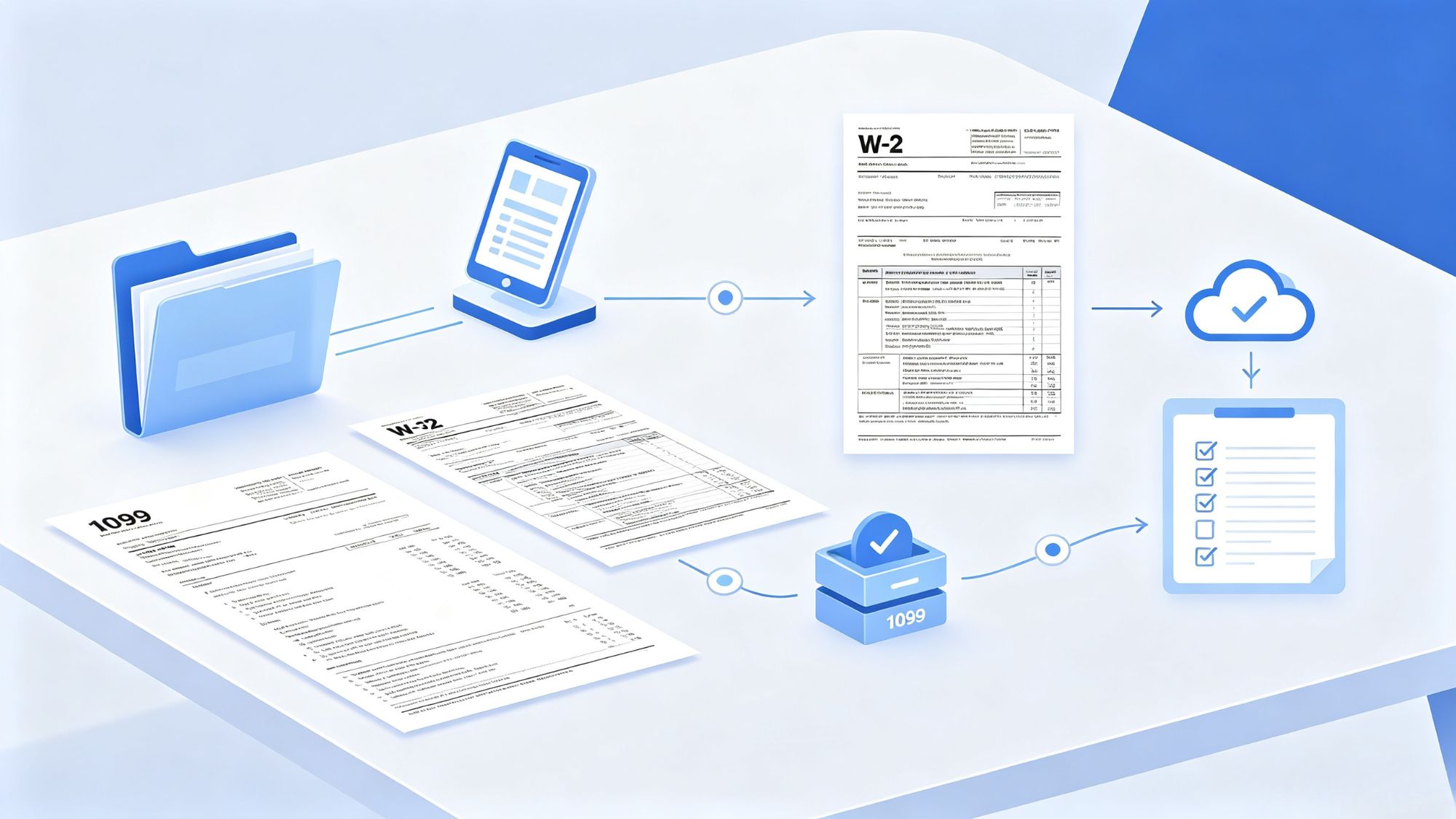
A structured document checklist helps confirm that all expected information has been gathered before filing begins. Taxpayers can compare current records with previous tax returns to identify recurring sources of income and commonly used deductions.
Important documents may include:
W-2 forms from employers
1099 forms for freelance, interest, dividend, or investment income
Mortgage interest statements
Retirement account statements
Brokerage transaction records
Charitable contribution documentation
Business expense records
Reviewing these categories before filing reduces the risk of missing income sources or submitting incomplete information.
Verifying Personal Information Before Submission
Many tax filing rejections occur because of basic data entry mistakes. Electronic filing systems compare taxpayer information with government records, making accuracy in identification fields essential.
Before submitting a return, taxpayers should verify:
Names and Social Security numbers
Dates of birth for dependents
Filing status selection
Bank account details for direct deposit
A simple verification step can prevent avoidable processing delays caused by incorrect personal information.
Reconciling Income Information Across Multiple Sources
Modern tax reporting relies heavily on information matching between taxpayer filings and documents submitted by employers, financial institutions, and payment platforms. Maintaining accurate internal records helps identify discrepancies before a return is filed.
Matching Third-Party Reports With Actual Records
Independent contractors, freelancers, and online sellers often receive income information from multiple platforms. For example, payment processors may issue Form 1099-K when applicable reporting requirements are met.
However, reported payment volume does not always represent taxable profit. Gross transaction amounts may include factors such as:
Processing fees
Refunds
Returned payments
Business expenses
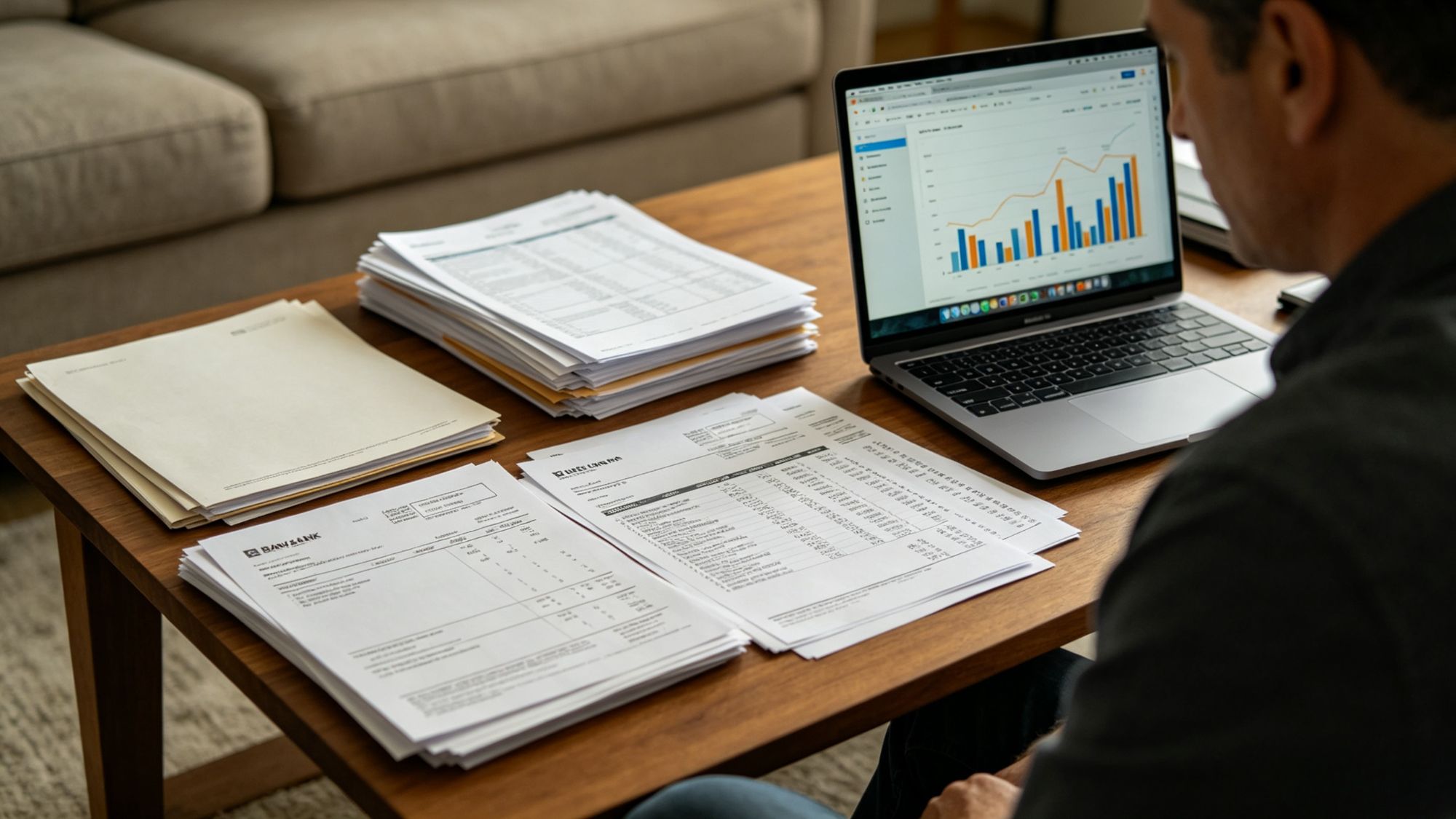
A proper recordkeeping system should compare third-party reports with bank statements and accounting records to determine the actual income that should be reported.
Monthly reconciliation is especially useful for individuals with multiple income streams because it prevents year-end confusion and reduces the need to reconstruct financial activity from memory.
Maintaining Documentation for Deductions
Claiming deductions requires more than entering numbers into tax software. Taxpayers should maintain records that explain why an expense qualifies and how the amount was calculated.
Supporting Common Business and Personal Expenses
Some deductions require detailed documentation because they involve specific eligibility requirements.
For example:
Vehicle expenses: Business-related mileage should be supported by records showing dates, destinations, business purposes, and miles driven.
Home office deductions: Records should demonstrate that the space meets applicable requirements and that related expenses were calculated correctly.
Business purchases: Receipts and invoices should identify the vendor, date, amount, and business purpose.
Keeping documentation when expenses occur is more reliable than trying to recreate records months later during tax preparation.
Using Review Procedures Before Filing
Even with organized records, a final quality review remains an important step before submitting a tax return. A structured review process helps identify unusual changes and missing information.
Comparing Current Returns With Previous Years
Reviewing year-over-year changes can reveal unexpected differences that require investigation.
Taxpayers should compare:
Income changes
Deduction amounts
Investment activity
Business expenses
Refund or payment amounts
A significant change does not necessarily indicate an error, but reviewing unusual differences helps confirm that all information has been entered correctly.
Confirming Filing Details
Before electronic submission, taxpayers should verify several important items:
Correct filing status based on current household circumstances
Accurate dependent information
Correct bank routing and account numbers
Required signatures and electronic authorization steps
These final checks help prevent administrative problems after filing.

Building a Year-Round Tax Accuracy Routine
Error prevention works best when record management becomes a regular habit rather than a seasonal task.
A practical routine may include:
Saving tax documents immediately after receiving them
Organizing receipts and invoices monthly
Reviewing income records quarterly
Updating financial records after major life changes
Maintaining secure backups of important documents
This approach creates a clearer financial history and makes tax preparation more efficient when filing season arrives.
Conclusion
Preventing tax filing mistakes requires more than careful form completion at the end of the year. A reliable system combines organized document collection, income reconciliation, proper deduction records, and structured pre-submission reviews.
By maintaining accurate financial records throughout the year and verifying information before filing, taxpayers can reduce common errors, respond more effectively to potential IRS questions, and create a more organized tax preparation process.
Filed under