Navigating Web3 Security: Understanding Phishing, Malicious Contracts, and Token Approval Risks
Blockchain technology gives users direct control over their digital assets, but that control also comes with a different security model. There is usually no central institution that can simply reverse an unauthorized transaction or freeze funds after a wallet has been compromised. That makes it important to understand how Web3 attacks actually work. Phishing sites, malicious smart contracts, and deceptive token approvals are among the most common ways attackers try to turn a user's own wallet permissions into an opportunity for theft. The good news is that these threats become much easier to recognize once the underlying mechanics are clear.
How Crypto Security Threats Have Changed
Early cryptocurrency security advice often centered on familiar problems: protecting private keys, using strong passwords, avoiding malware, and keeping wallet backups secure. Those precautions still matter, but decentralized applications have introduced another layer of risk. Attackers do not necessarily need to break cryptographic systems or guess a private key. In many cases, they only need to convince someone to approve an action that appears legitimate.
That shift changes the way wallet security needs to be approached. A user may visit a fake website that looks almost identical to a legitimate application, sign a transaction without fully understanding its contents, or grant a token allowance that remains active after the original interaction is finished. The blockchain may execute exactly what was authorized. The problem is that the authorization itself was obtained through deception.
This is why basic device security is only one part of the picture. Understanding what a wallet signature authorizes, what a smart contract can do, and which permissions remain active afterward is just as important.
How Phishing Works in DeFi
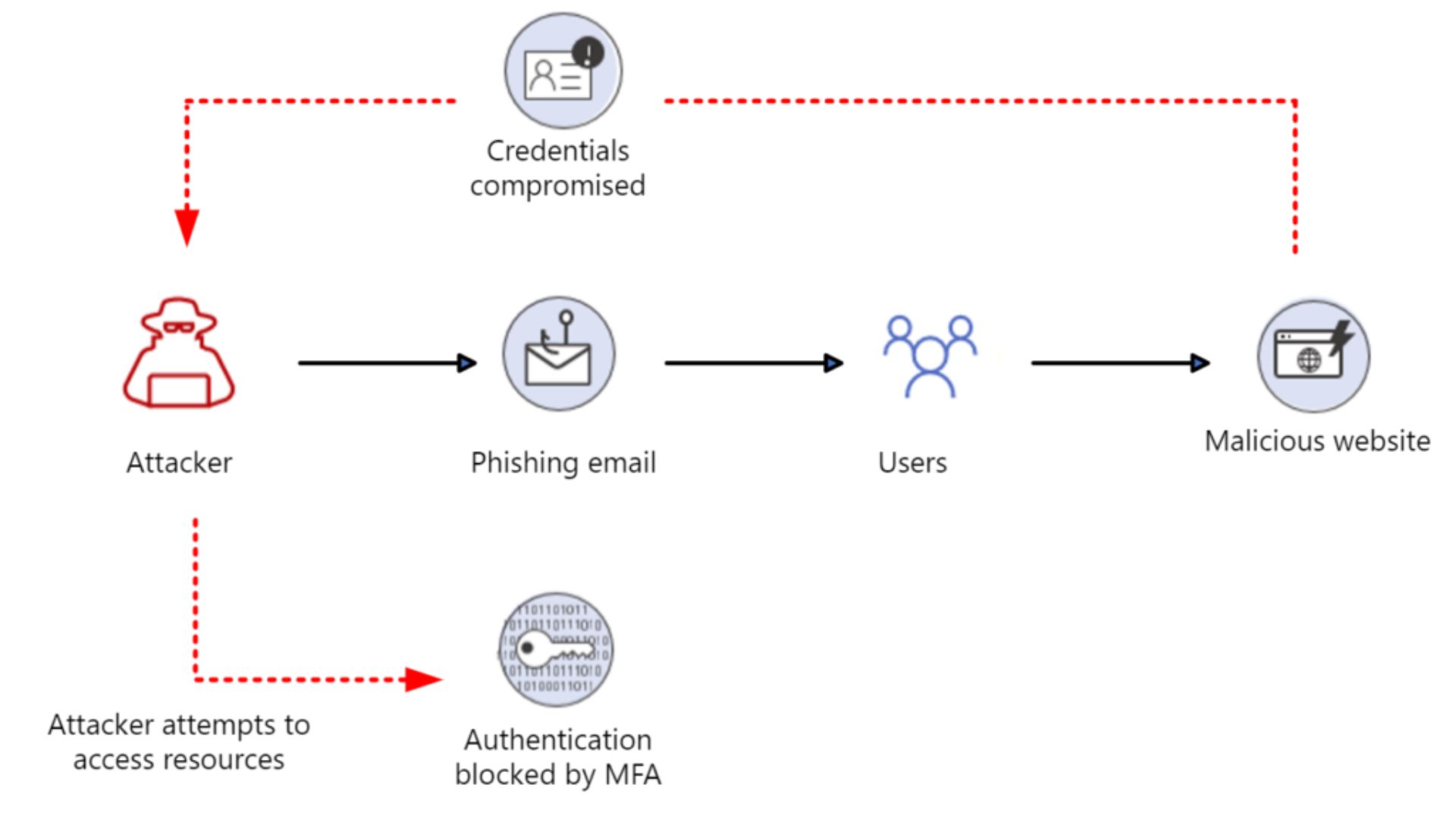
Phishing is not new, but cryptocurrency has given attackers more sophisticated ways to disguise it. Instead of relying solely on fake emails or login pages, attackers can create convincing copies of decentralized applications, NFT platforms, token-related websites, or other Web3 interfaces. A fraudulent domain may differ from the genuine one by only a small spelling change, while search advertisements, social media posts, or compromised websites can help direct visitors toward it.
The dangerous part often comes after the wallet connection. A fake site may present a familiar-looking action such as claiming an airdrop, completing a verification step, minting an asset, or participating in a governance process. Rather than asking directly for a recovery phrase, which would immediately raise suspicion for many experienced users, the site may ask the wallet to approve a transaction or sign a message. The wallet prompt can contain technical information that is difficult to interpret at a glance, so the user may authorize an action without realizing what it actually permits.
A wallet connection by itself is not necessarily dangerous. Connecting a wallet does not automatically give a website unrestricted control over its assets. The important question is what happens afterward. A transaction, signature, token approval, or other authorization can create risks that are very different from simply connecting to a dApp.
Malicious Smart Contracts and What They Can Do
Smart contracts are programs deployed on blockchains. They can automate activities such as token swaps, lending transactions, NFT minting, and liquidity management without requiring a traditional intermediary. Their automated nature is useful, but it also means that users need to understand what they are authorizing before interacting with unfamiliar contracts.
A malicious application can place a deceptive interface in front of a contract or transaction that does something very different from what the page appears to promise. For example, a button labeled as a routine claim or minting action may generate a transaction containing unexpected instructions. In other cases, the application may request a token approval or another form of permission that creates a separate avenue for asset theft.
The important distinction is between the appearance of an action and the authorization encoded in the transaction. A polished interface does not make the underlying contract trustworthy, and a familiar-looking transaction does not necessarily mean that the requested permissions are appropriate.
The consequences also depend on the blockchain and assets involved. A malicious contract deployed on an Ethereum-compatible network generally cannot simply reach into a user's native Bitcoin balance on the Bitcoin network. Those assets operate under different blockchain systems and security models. However, tokens held on the affected EVM network, or assets for which the malicious application has obtained relevant permissions, may be exposed.
The Risk Behind Token Approvals
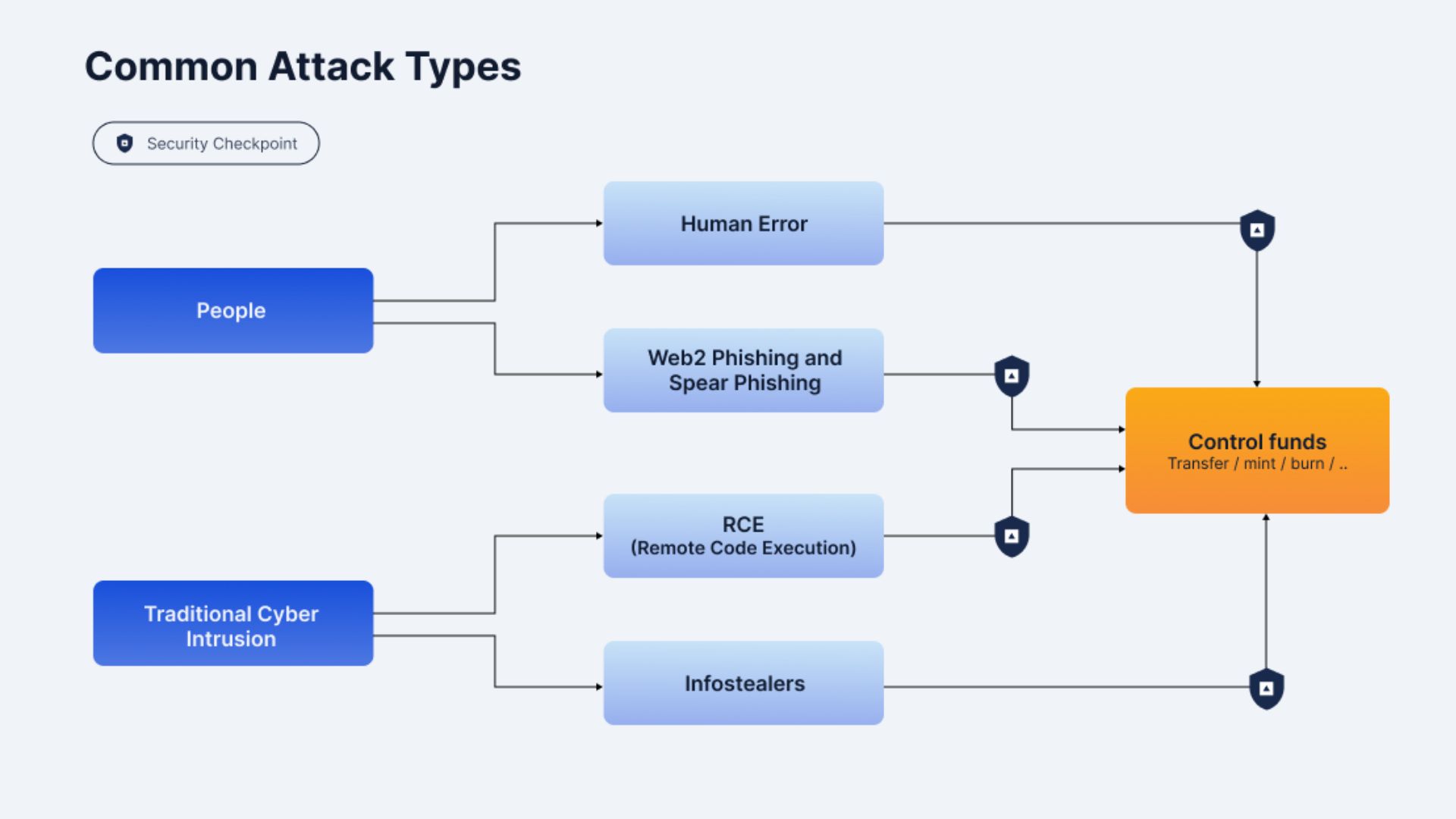
Token approvals are one of the most important concepts for anyone using decentralized applications to understand. On EVM-compatible networks, certain tokens use an allowance system that lets a smart contract spend tokens on behalf of a wallet. This can be useful for ordinary activities such as trading, lending, or providing liquidity because the application does not need the user to manually authorize every individual token movement.
The same mechanism can become dangerous when an attacker tricks a user into approving the wrong spender. Instead of granting an allowance that closely matches the intended transaction, a malicious application may request a very large or effectively unlimited allowance. In practical terms, that can give the approved spender broad authority over the relevant token balance, subject to the token's allowance and contract behavior.
The danger does not necessarily end when the browser tab is closed. An allowance recorded on-chain can remain active until it is changed, reduced, or revoked. If the approved spender later uses that authorization in a way permitted by the token contract, the user may lose tokens without interacting with the original website again.
That is why the approval screen deserves as much attention as the transaction itself. The key questions are straightforward: Which contract is being authorized? Which token is affected? How much spending authority is being granted? And does that permission still make sense after the intended transaction is complete?
Practical Ways to Reduce Wallet Risk
Good Web3 security starts with slowing down at the exact moment when a wallet asks for authorization. Before signing, review the transaction details rather than relying only on the description shown by the website. Where available, transaction simulation tools can provide an additional view of expected balance changes and contract interactions. These tools are useful safeguards, although they should not be treated as a guarantee that every transaction is safe.
Token allowances also deserve regular attention. If an application only needs to spend a limited amount, a limited allowance can reduce the potential exposure compared with an unnecessarily broad approval. Adjusting an allowance or revoking one is itself an on-chain action and may require a network fee, but periodically reviewing permissions can help prevent old authorizations from remaining unnoticed.
Website verification matters, too. Check the domain carefully instead of relying solely on search advertisements, social media links, or messages from other users. A legitimate-looking interface is not proof of legitimacy. When possible, reach the official application through a trusted source and compare the domain before connecting a wallet.
Separate wallets can also provide useful risk isolation. A wallet used for frequent dApp interactions does not necessarily need to hold every digital asset owned by the user. Keeping valuable assets away from routine experimental or unfamiliar interactions can limit the potential consequences of a compromised application.
What to Do After a Suspicious Interaction
The appropriate response depends on what was actually authorized. If a suspicious token approval was granted but the wallet itself has not been compromised, reviewing and revoking the relevant allowance can remove that specific permission. Afterward, it is worth checking the wallet's other active approvals rather than assuming there is only one.
The situation is more serious if a recovery phrase or private key has been exposed. Revoking an individual token approval does not make a compromised private key safe again. In that situation, remaining assets should be moved to a new wallet whose credentials have not been exposed, while the compromised wallet should no longer be treated as secure.
Speed matters, but so does accuracy. Sending additional transactions from a compromised wallet without understanding the situation can create further losses. The goal is to identify what permission or credential was exposed and then take the appropriate containment step.
A Safer Mental Model for Web3 Transactions
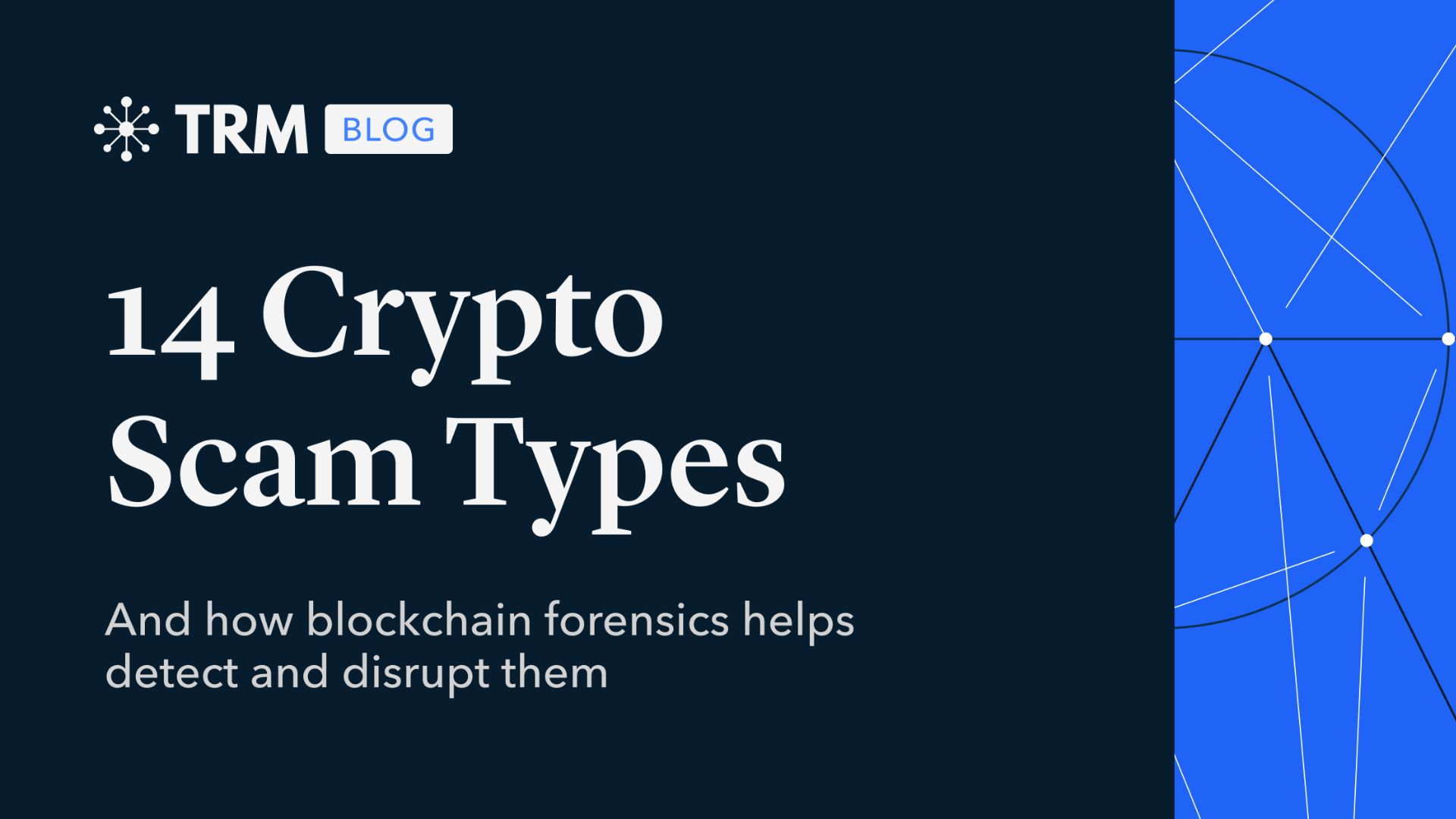
Web3 security becomes less confusing when wallet activity is viewed as a series of permissions rather than a simple sequence of button clicks. Connecting a wallet, signing a message, approving a token allowance, and sending a transaction are different actions with different security implications.
That distinction is easy to overlook because modern dApps are designed to make complex blockchain operations feel simple. A clean interface can hide a complicated authorization underneath. Taking a moment to inspect the wallet request helps restore some of that missing context.
Phishing attacks exploit trust. Malicious contracts exploit code and transaction permissions. Fraudulent token approvals exploit the allowance systems that legitimate applications also rely on. None of these threats requires breaking the underlying cryptography. In many cases, the attack succeeds because a legitimate permission was granted under misleading circumstances.
Understanding that difference is one of the most useful steps a Web3 user can take toward better security. The objective is not to avoid every decentralized application or assume that every contract is malicious. It is to recognize what a wallet is being asked to authorize, limit permissions where practical, and regularly review the access that has already been granted.
Filed under
More Stories