Tax Software vs. Professional Expertise: Understanding What Automation Can and Cannot Handle
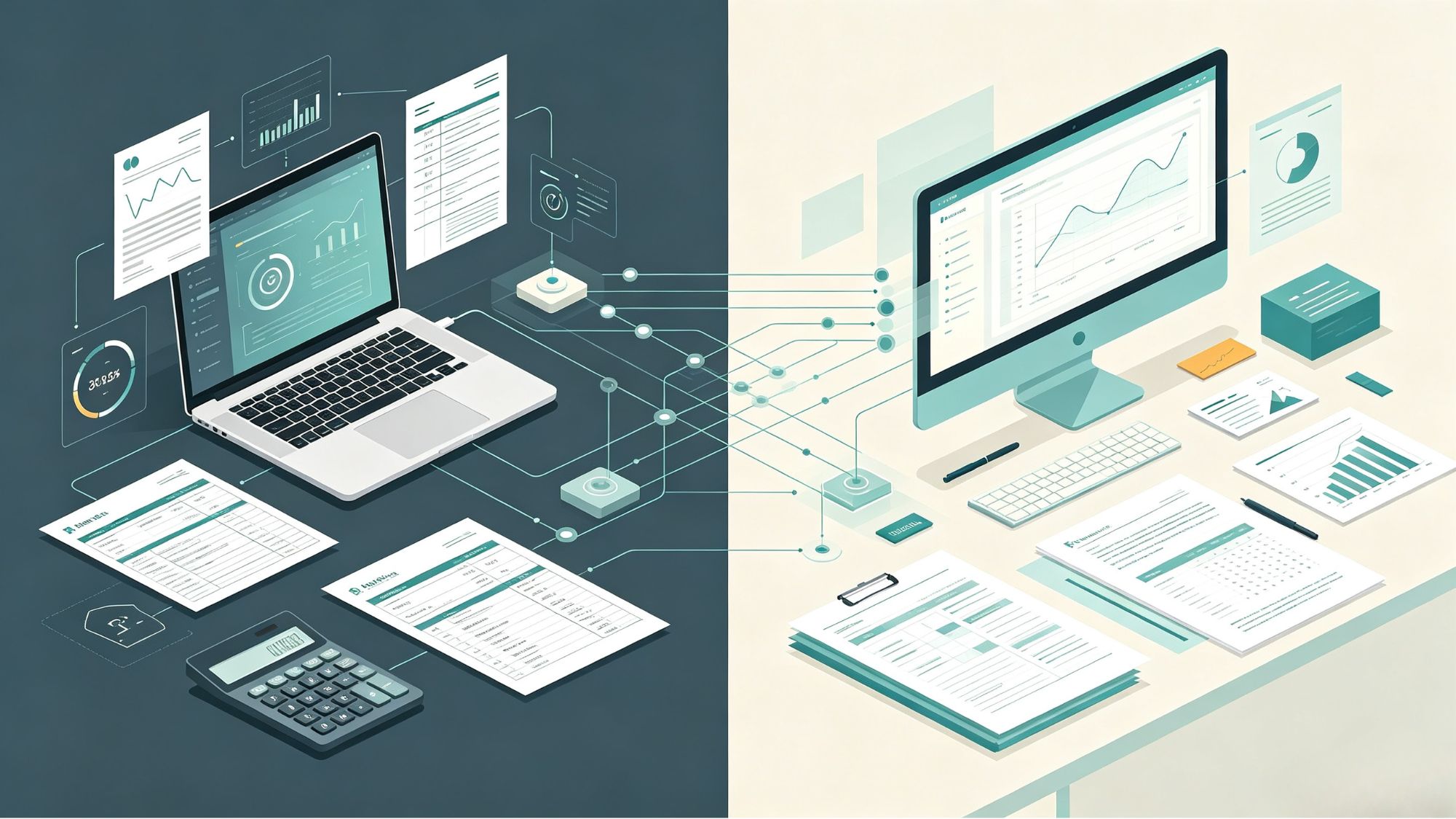
Modern tax software has transformed the way individuals and businesses prepare annual returns. Today’s platforms do far more than calculate basic tax amounts. They can import financial data, organize income records, complete complex forms, identify common filing mistakes, and submit returns electronically through approved systems.
However, automation has clear boundaries. Tax software follows programmed rules and processes the information provided by users, but it does not understand personal circumstances, evaluate long-term financial strategies, or interpret complicated tax situations requiring professional judgment.
Understanding the difference between automated tax preparation and human expertise helps taxpayers decide when software is sufficient and when professional guidance may be valuable.
What Tax Software Handles Effectively
Tax software performs best when tasks involve structured information, repeated calculations, and clearly defined tax rules. These functions reduce manual work and help taxpayers complete returns more efficiently.
Automated Calculations and Tax Data Processing
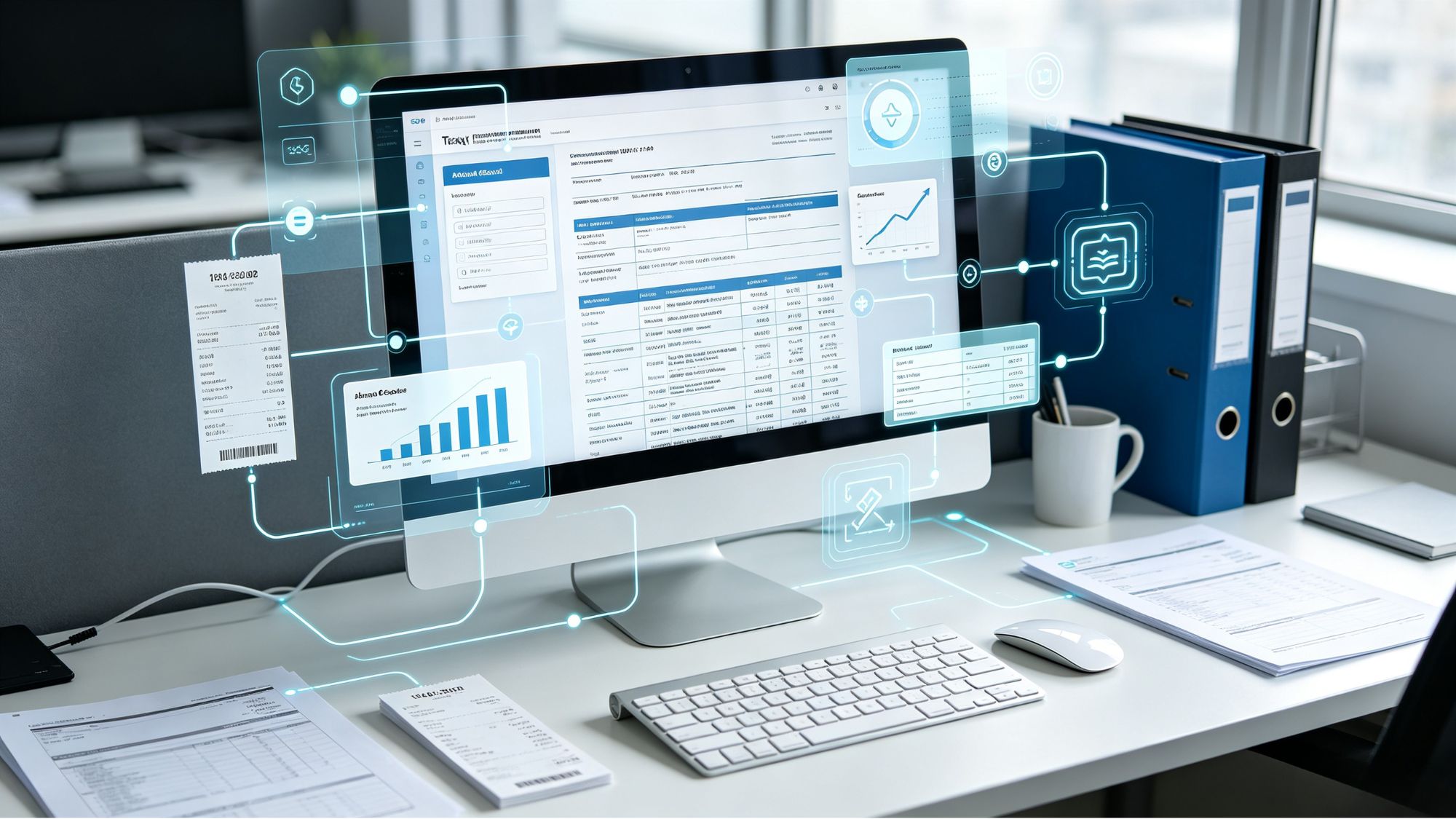
One of the primary advantages of tax software is its ability to perform complex calculations quickly and consistently. Once users enter income, deductions, credits, and other financial information, the software applies applicable tax rules to calculate estimated liabilities.
Many platforms also carry forward information from previous years, including:
Depreciation schedules
Capital loss information
Personal identification details
Previously entered financial records
This reduces repetitive data entry and helps maintain consistency between tax years.
Form Selection and Electronic Filing
Tax returns often involve multiple schedules and supporting documents. Tax software helps organize taxpayer information and place it into the appropriate forms based on the information provided.
Examples include:
Schedule C for certain self-employed income
Schedule D for capital gains and losses
Forms related to deductions and credits
After completing the return, many platforms can prepare electronic submissions and provide confirmation after filing. These automated filing systems reduce formatting errors and simplify the submission process.
Basic Error Detection and Review
Most tax software includes review features designed to identify common mistakes before filing. These systems can detect issues such as:
Missing required fields
Incorrect calculations
Conflicting information between forms
Potentially overlooked deductions or credits
These tools are useful for catching simple errors, but they are limited to problems that can be identified through programmed rules.
Where Tax Software Has Important Limitations
Although tax software has become increasingly advanced, it does not replace professional analysis. The biggest limitation is that software evaluates information but does not understand the broader context behind financial decisions.
Limited Ability to Evaluate Tax Strategies
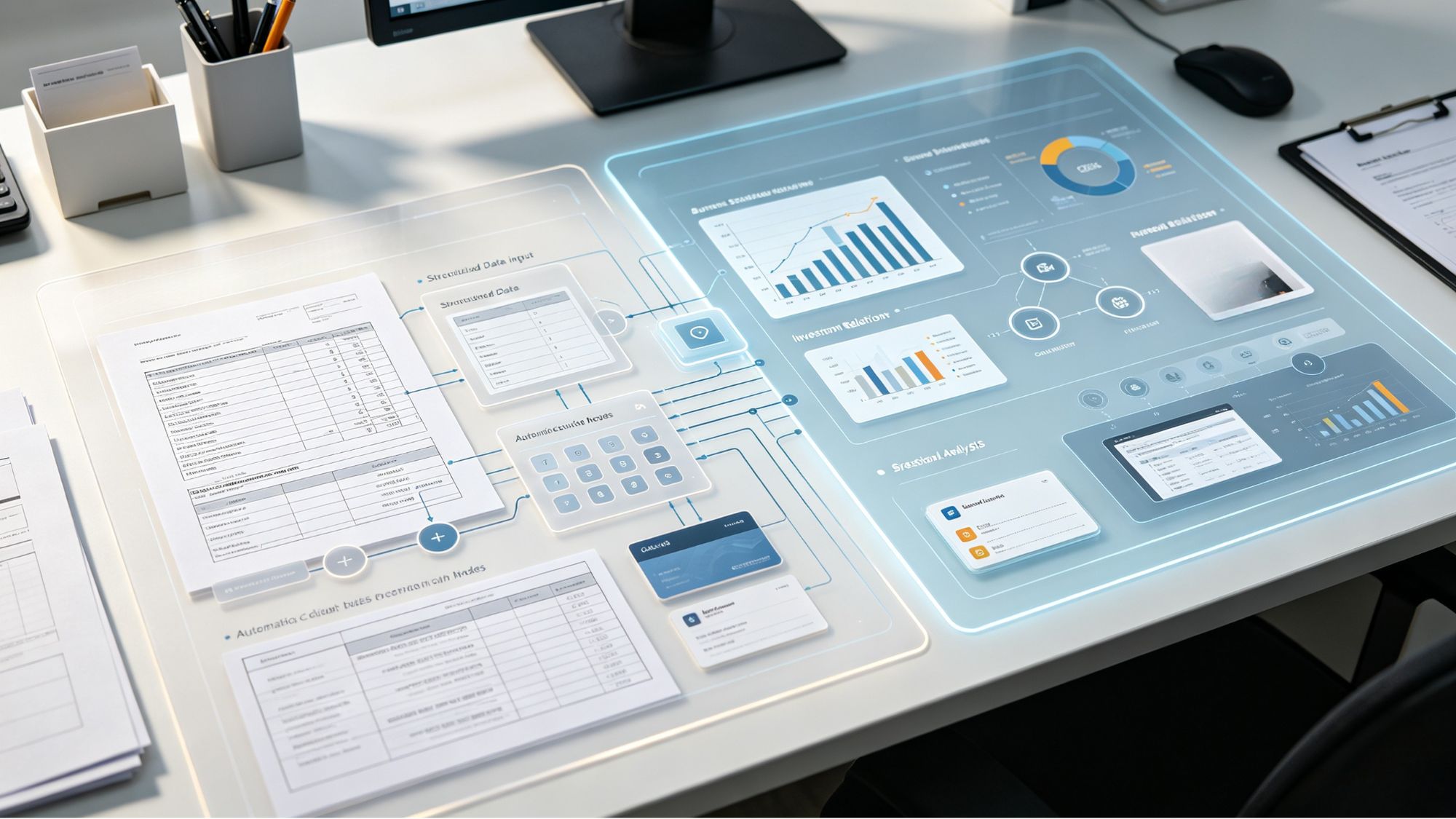
Tax software can calculate the tax consequences of information entered into a return, but it generally does not determine whether a taxpayer’s overall financial structure is optimal.
For example, a self-employed individual may enter business income and expenses into software and correctly complete a Schedule C. However, the software may not evaluate whether changing the business structure could provide potential tax advantages based on income levels, operational goals, or future plans.
Software completes calculations based on existing choices; it does not typically create long-term tax strategies.
Difficulty Handling Complex Interpretation Issues
Many tax rules depend on specific facts and circumstances rather than simple calculations. Certain expenses require judgment regarding whether they meet IRS requirements.
Examples include:
Whether a business expense is ordinary and necessary
Whether a home office qualifies for deduction purposes
Whether an activity is considered a business or hobby
How personal and business use should be separated
A tax program may allow information to be entered successfully, but it cannot fully evaluate whether the taxpayer’s position is properly supported by documentation and applicable rules.
Situations Where Professional Judgment Becomes Important
For taxpayers with more complicated financial situations, professional expertise can provide value beyond preparing forms.
Forward-Looking Tax Planning
Tax software primarily focuses on completing the current year’s return. Tax professionals can analyze future decisions and evaluate how different actions may affect multiple years of tax obligations.
Examples include:
Planning the timing of investment sales
Evaluating retirement account conversion strategies
Coordinating income recognition across different tax years
Reviewing business decisions before they occur
This forward-looking approach can be especially important when financial decisions involve significant amounts of income or assets.
Multi-State and Complex Business Situations
Tax situations become more complicated when individuals or businesses operate across multiple jurisdictions. Different states may have unique rules regarding income allocation, residency, and business activity.
Professional assistance may be useful for situations involving:
Multiple state tax filings
Business ownership structures
Partnerships and pass-through entities
Trust or estate-related tax issues
While software can calculate information after the correct inputs are provided, determining which rules apply often requires human analysis.
IRS Notices and Tax Disputes
Tax software can prepare and submit returns, but it does not provide representation when disputes occur.
If a taxpayer receives an IRS notice, faces an audit, or needs to respond to a tax adjustment, professional assistance may help with:
Reviewing the issue
Preparing documentation
Communicating with tax authorities
Explaining the taxpayer’s position
These situations require interpretation, communication, and judgment that automated systems cannot provide.

Conclusion
Tax software has become an essential tool for simplifying calculations, organizing forms, and improving the efficiency of tax filing. For taxpayers with straightforward income sources and uncomplicated financial situations, automation can provide an effective filing solution.
However, software remains a calculation and compliance tool rather than a replacement for strategic tax analysis. When financial decisions involve business structures, complex investments, multiple jurisdictions, or potential disputes, professional judgment continues to play an important role.
Understanding the boundary between automation and expertise allows taxpayers to use technology effectively while recognizing when additional guidance may be beneficial.
Filed under