The Architecture of Household Cash Flow: Separating Income from Daily Operations
Managing household money can become strangely stressful even when the numbers look manageable. A paycheck arrives, the checking account balance jumps, bills are paid, groceries come out of the same account, and a few weeks later it may be difficult to tell how much money is actually available for everyday spending.
The problem is not always a lack of income or poor budgeting habits. For some households, the bigger issue is the way money is organized. When incoming income and routine spending all pass through one checking account, the account balance becomes a poor guide to what is truly available. A balance of several thousand dollars might look comfortable at first glance, yet much of that money may already be earmarked for rent, insurance, debt payments, taxes, savings, or other obligations.
A different approach is to separate the jobs that household accounts perform. Businesses commonly distinguish between revenue collection, operating expenses, and working capital. A household can apply a simpler version of the same idea without turning personal finances into a complicated accounting exercise.
The goal is straightforward: give incoming money one place to land, give everyday spending its own boundary, and maintain a liquid buffer for timing differences.
Why the Single-Account Model Can Become Confusing
The traditional setup is familiar. A paycheck lands in checking. Mortgage payments, subscriptions, groceries, fuel, utilities, and discretionary purchases all come out of that same account. There is nothing inherently wrong with this arrangement, and for a household with very predictable income and expenses, it may work perfectly well.
The difficulty appears when the checking balance is treated as though every dollar in it is available to spend.
Suppose a paycheck arrives on Friday and the account balance suddenly looks much higher than it did earlier in the week. That increase can create a misleading sense of financial room. But some of the money may already have a destination: a mortgage payment due next week, an insurance premium later in the month, or a transfer to savings that has not happened yet.
This creates a mental accounting problem. Before making an everyday purchase, the household has to remember which portions of the balance are already committed and which portions are genuinely available for routine spending.
Three issues tend to show up repeatedly.
Visibility becomes less useful. A high balance immediately after payday does not necessarily mean there is more discretionary money available. The balance reflects both committed and uncommitted funds.
Timing can create temporary pressure. Income and expenses do not always arrive on the same schedule. A household may receive income every two weeks while major bills are distributed across different dates during the month.
A compromised debit card can create unnecessary exposure. When the same checking account holds incoming funds and is also connected to a debit card used for everyday purchases, a compromised card can affect the account that contains a much larger pool of money. Account protections and bank procedures vary, so separating everyday spending from incoming funds can be one additional layer of risk management.
The solution is not necessarily more budgeting. In many cases, it is clearer separation.
A Three-Tier Household Cash-Flow System
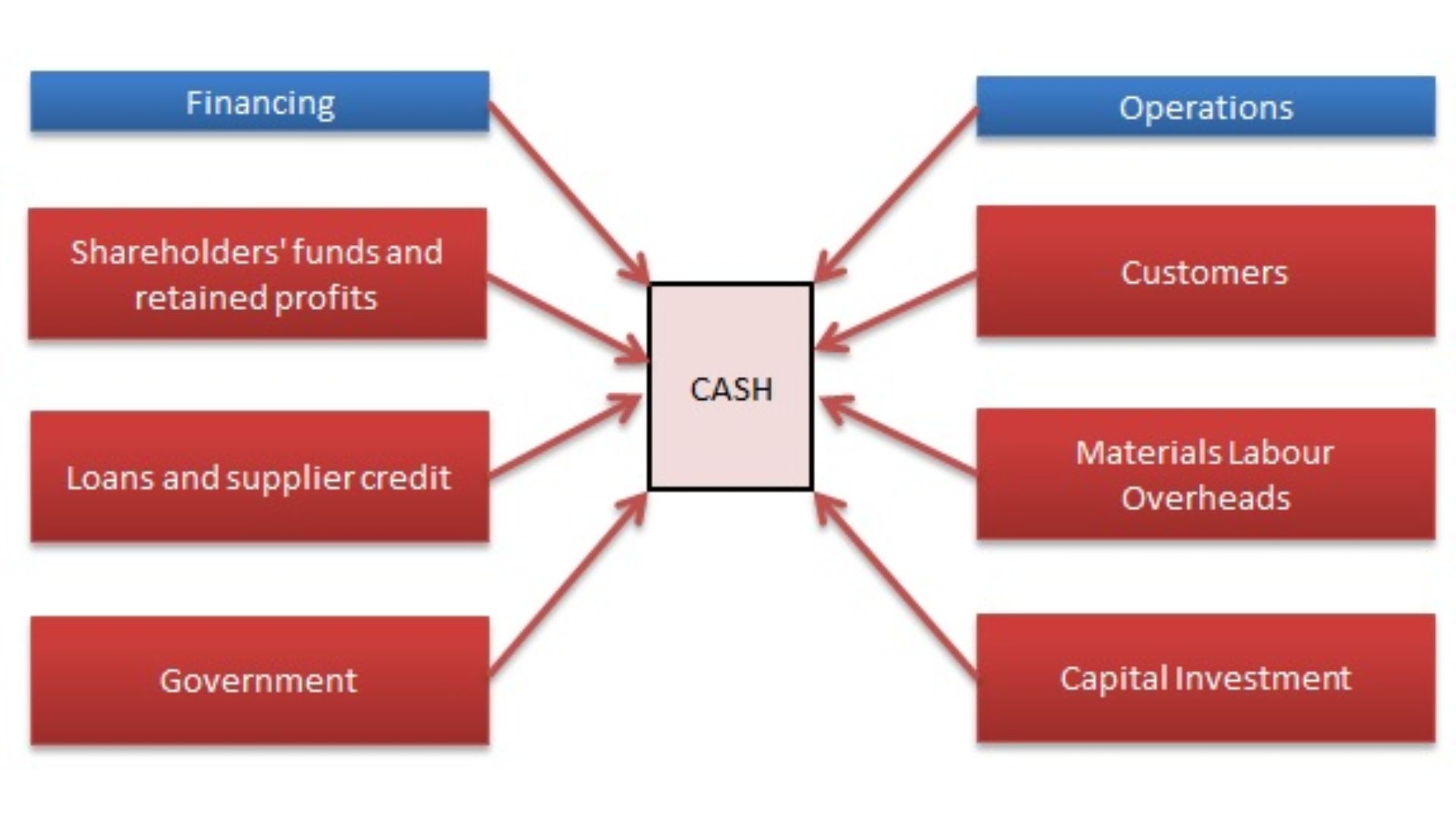
A simple cash-flow structure can be built around three functions: income collection, everyday operations, and a liquid buffer.
The accounts do not necessarily need to be held at three different banks. Many financial institutions allow customers to maintain multiple checking or savings accounts under one login, although available features vary.
Tier 1: The Income Clearing Account
The income clearing account is where household income arrives before it is assigned to other purposes.
For an employee, that might mean routing a paycheck into the account. For a freelancer or business owner, it could include client payments or other irregular income. Investment distributions and other legitimate household income can also pass through the account when appropriate.
The important feature is what does not happen there: everyday spending.
A debit card does not need to be attached to this account, and routine purchases should generally come from a separate operating account. Recurring household bills can also be kept separate where practical.
That creates a cleaner picture of incoming money. Instead of opening a banking app and seeing a mixture of income, groceries, subscriptions and bills, the household can first see how much money has entered the system and then decide where it needs to go.
Think of this account as a staging area rather than a spending account.
Once deposits have settled, money can be allocated according to the household's own priorities.
Tier 2: The Operating Expense Account
The operating account handles everyday financial activity.
This is the account connected to the debit card used for ordinary purchases, mobile-wallet transactions and routine spending. Depending on the household, recurring bills can also be paid from this account.
The key difference is that it does not receive unrestricted income directly.
Instead, a predetermined amount is transferred into it on a regular schedule. The amount should be based on actual household spending patterns rather than an arbitrary number.
For example, if a household normally spends a fairly consistent amount on groceries, transportation, household supplies and discretionary purchases, those expenses can be reviewed over several months to establish a reasonable operating amount.
This creates a useful boundary.
If the operating account begins to run low before the next scheduled transfer, that does not automatically mean something has gone wrong. It may simply indicate that routine spending is running ahead of the planned pace.
That information is much easier to interpret than a large checking balance that contains money already earmarked for several different purposes.
Tier 3: The Working Capital Buffer
The third layer is a liquid buffer designed to handle timing differences.
Households with predictable salaries may not notice timing mismatches very often. But even a regular paycheck can arrive on a different schedule from rent, mortgage payments, insurance premiums, utilities and other obligations.
Variable-income households face the issue more frequently.
A freelancer might receive several client payments in one month and considerably less in the next. A commission-based worker may experience similar swings. The household still needs to pay ordinary expenses even when income arrives unevenly.
A working capital buffer can help smooth those differences.
A reasonable starting point may be a reserve covering roughly one month of routine operating expenses, but that is not a universal rule. The appropriate amount depends on income stability, payment schedules, household obligations and access to other liquid funds.
The buffer is also different from an emergency fund.
An emergency fund is generally intended for unexpected events such as a major repair, job disruption or other significant financial shock. A working capital buffer has a narrower purpose: helping normal cash flow remain stable when the timing of income and expenses does not line up perfectly.
Automating the System
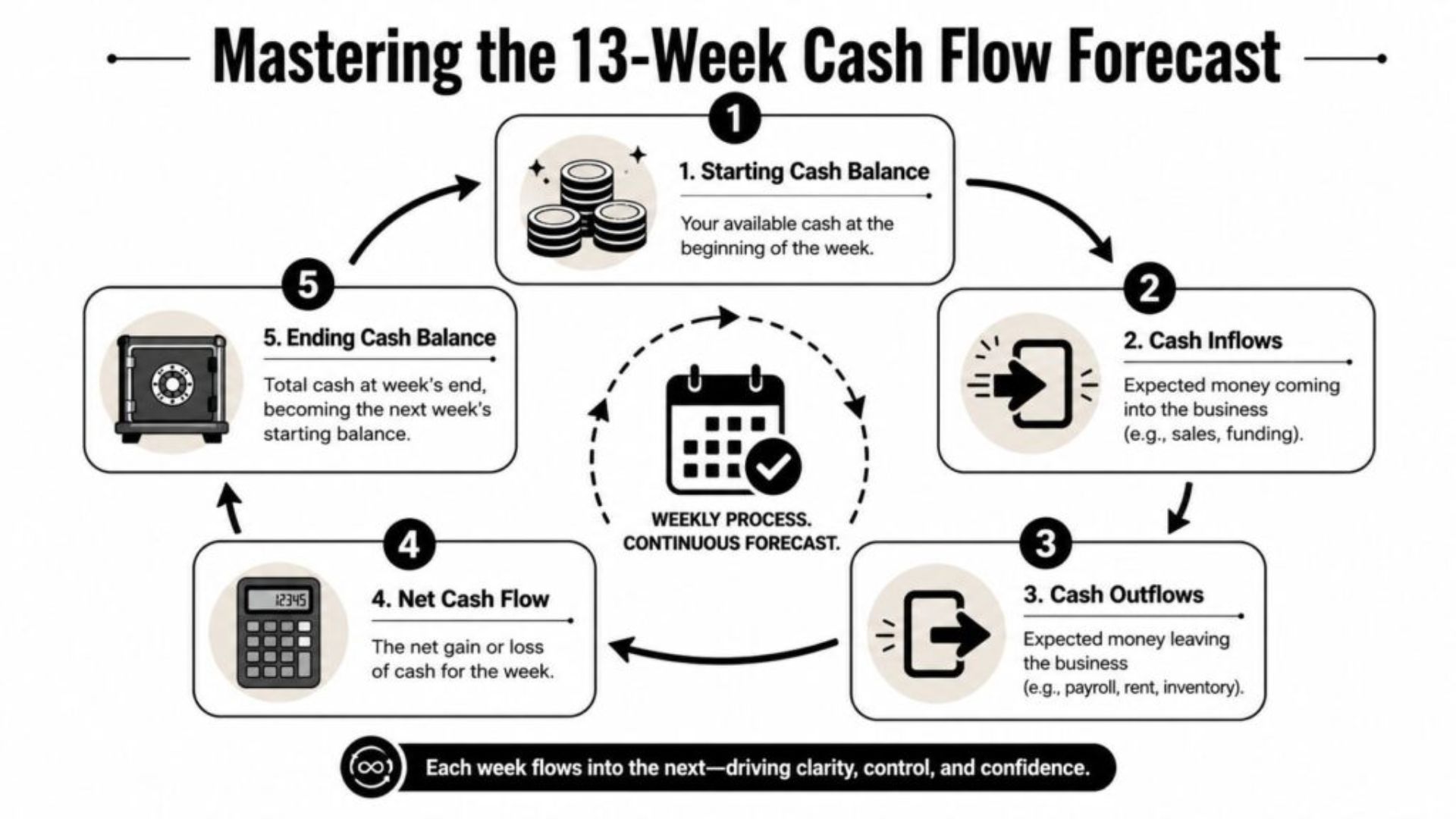
A cash-flow structure becomes much easier to maintain when routine transfers do not depend on memory.
Many banks support scheduled or recurring transfers, although the exact features, processing times and account options differ between institutions.
Once the household has established its normal cash-flow pattern, several transfers can be scheduled.
A portion of incoming funds can be directed toward long-term savings or other planned financial goals. A predetermined amount can move into the operating account for routine expenses. Additional funds can remain in the clearing account or be transferred to a separate liquid reserve, depending on the household's priorities.
The exact order matters less than the principle: money receives a destination before it becomes mixed together with everyday spending.
Automation also reduces the number of small financial decisions that have to be made throughout the month.
Instead of repeatedly asking whether there is enough money available for a purchase, the operating account provides a more focused answer. It represents the pool intended for normal spending.
That does not eliminate the need to review finances. It simply moves some of the decision-making from the checkout screen to a planned transfer schedule.
Handling Irregular Income
The system becomes particularly useful when income changes from month to month.
Someone with a fixed salary can often estimate the amount available for operating expenses with reasonable confidence. A freelancer, contractor or commission-based worker has a different problem: income may arrive in large bursts rather than in evenly spaced amounts.
For these households, a "reverse payroll" approach can provide more consistency.
Start by estimating the household's baseline monthly operating cost. This should reflect the amount needed to cover normal household operations rather than unusually high discretionary spending.
When a strong income month occurs, the household does not automatically increase its regular spending allowance. Instead, additional funds can accumulate in the clearing account or working capital buffer.
During weaker months, the household can continue transferring the established operating amount, provided sufficient reserves have been built.
The result resembles a regular paycheck even though the underlying income is irregular.
This approach has another advantage: it separates lifestyle decisions from short-term income fluctuations. A particularly strong month does not automatically have to become a more expensive month, and a weaker month does not necessarily require immediate changes to everyday spending.
The system still depends on realistic numbers. If average income is consistently below the household's baseline expenses, no account structure can solve the underlying deficit. The architecture can improve timing and visibility, but it cannot create money that is not there.
Putting the Structure in Place
The transition does not need to happen all at once.
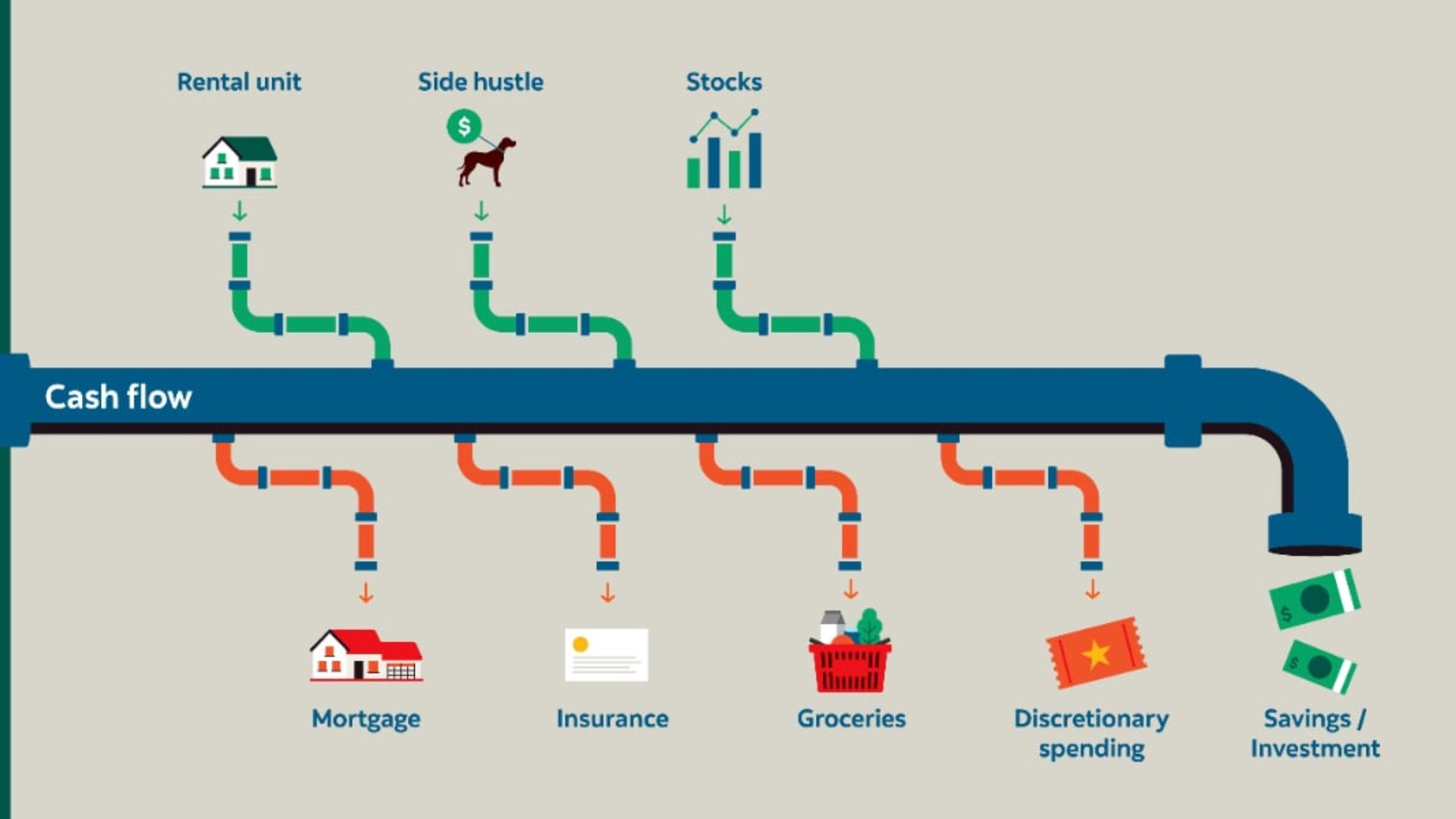
Start by observing the existing account for a full spending cycle. Identify fixed obligations, recurring bills and flexible expenses. Look at when income arrives and when major payments leave the account.
The purpose of this review is not to judge individual purchases. It is to understand the household's natural cash-flow pattern.
Next, establish the three functions:
Income clearing: where incoming funds arrive.
Operating expenses: where routine spending takes place.
Working capital: where liquid funds are held to smooth timing differences.
The actual account names do not matter. One bank might call them checking, savings and a sub-account. Another might offer separate "vaults" or similar features. The structure matters more than the labels.
After the accounts are established, automate only the transfers that are well understood. Review them after the first few cycles rather than assuming the original amounts will be perfect.
A household may discover that the operating allowance is too generous, too restrictive, or simply mistimed. Adjustments are part of the process.
It is also worth reviewing the setup periodically. Income can change. Insurance premiums can increase. A loan can be paid off. Household spending can shift. A cash-flow system should adapt rather than becoming another rigid rule to maintain.
The Bigger Idea Behind Account Separation
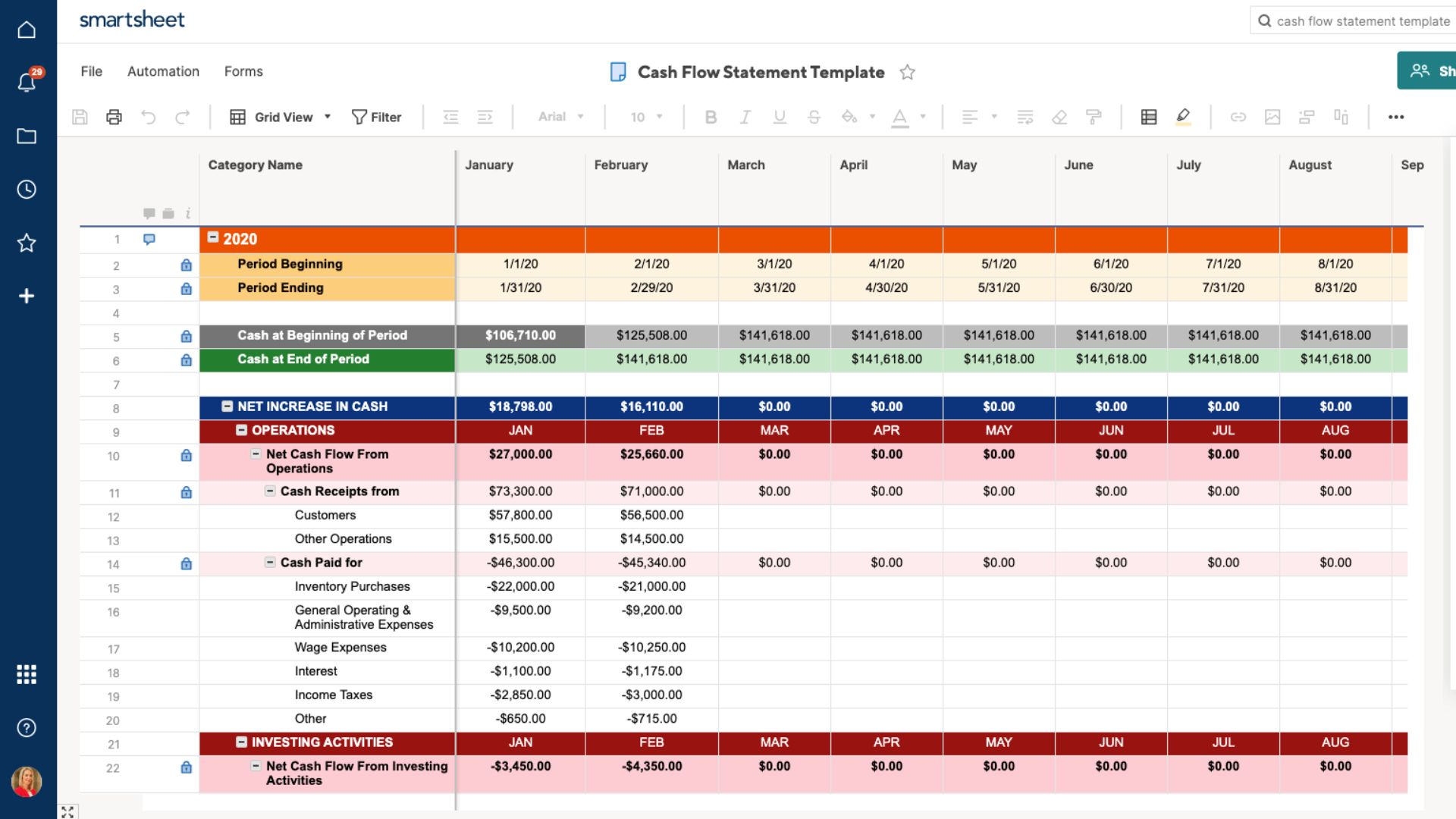
The value of separating household cash flow is not that three accounts are inherently better than one. The real benefit comes from giving each pool of money a clear job.
When all funds sit together, the household has to reconstruct those jobs mentally every time it checks the balance.
When the money is separated, the accounts themselves provide part of the information.
The income account answers one question: What money has entered the household system?
The operating account answers another: How much has been allocated for ordinary spending?
The working capital buffer answers a third: How much liquid capacity is available to smooth normal timing differences?
That distinction can make household finances easier to understand without requiring a complicated budgeting spreadsheet.
The approach is not a guarantee against financial difficulty, and it cannot replace adequate income, appropriate savings, debt management or professional advice when those issues are relevant. It is simply a way of organizing cash flow so that the account balance becomes more meaningful and everyday spending is less dependent on guesswork.
For households that struggle mainly because income and expenses are constantly crossing paths, that structural change may be more useful than tracking every individual coffee, grocery purchase or subscription.
This article describes a general household cash-flow framework rather than individualized financial, tax or investment advice. Banking features, tax obligations and financial circumstances vary by household and jurisdiction.
Filed under
More Stories