Understanding dApp Permissions, Wallet Connections, and Smart Contract Authorization Risks
Decentralized applications, or dApps, have become a common way to interact with blockchain networks. They can facilitate token swaps, NFT transactions, governance activities, lending, staking, and many other on-chain operations. But dApps also introduce a security model that can feel unfamiliar to anyone used to traditional websites.
A conventional website usually asks for a username and password and then handles access through a centralized server. A dApp works differently. The website may connect to a blockchain wallet, prepare a transaction, request a signature, or ask for permission to interact with specific tokens. Those actions are not interchangeable, and understanding the difference matters. A wallet connection may be harmless on its own, while a later approval or signature could grant a smart contract meaningful authority over digital assets.
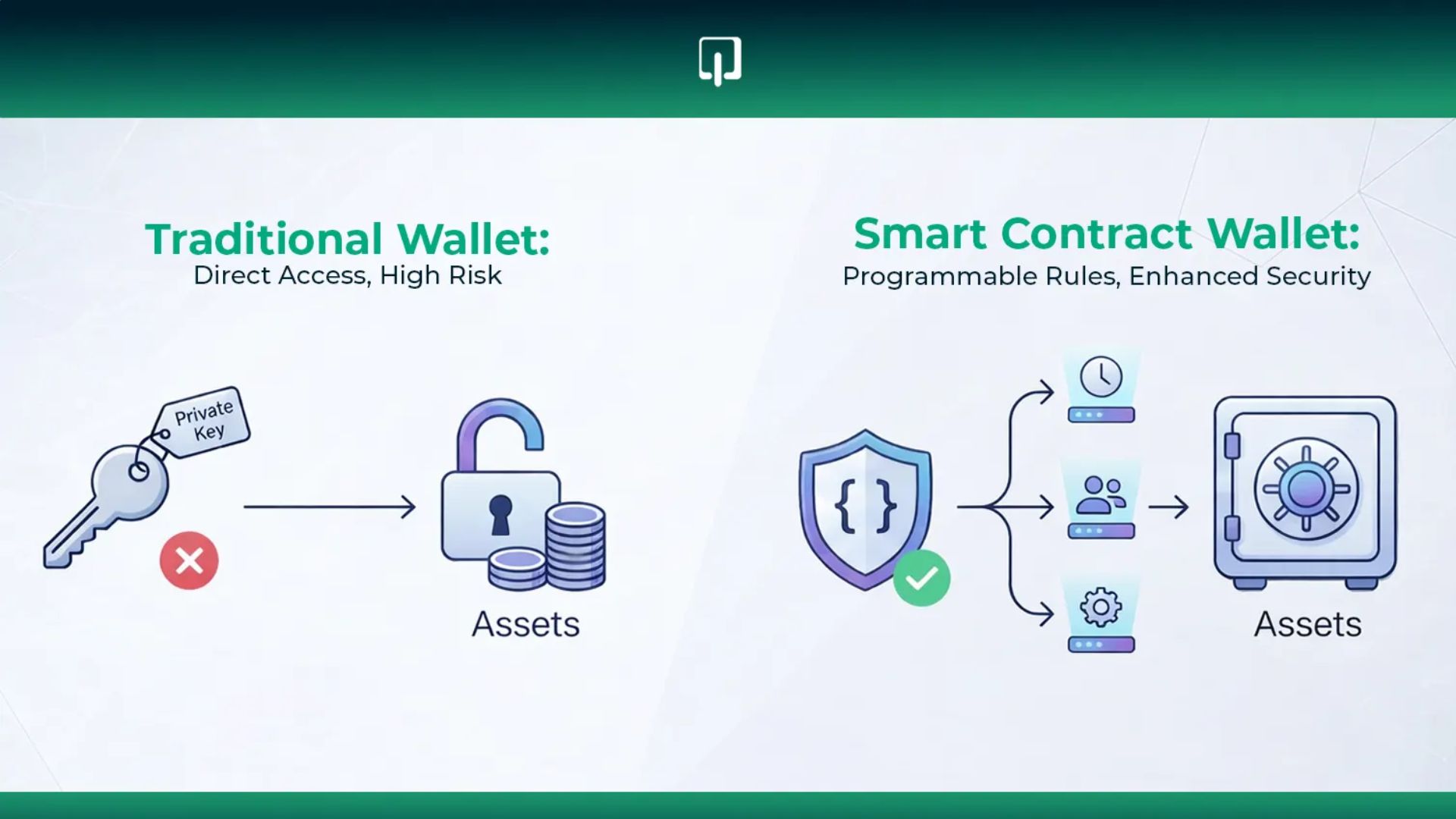
What Happens When a Wallet Connects to a dApp?
The phrase “Connect Wallet” can make the process sound more powerful than it actually is. In a basic wallet connection, the dApp generally receives the public account information it needs to interact with the blockchain. Depending on the wallet and connection method, the application may be able to identify the connected address, determine the relevant network, and request additional actions from the wallet.
What it does not receive simply because the wallet is connected is the private key or recovery phrase. A connection by itself also does not automatically authorize a token transfer. The wallet remains responsible for approving actions that require cryptographic authorization.
That distinction is easy to miss because the interface often makes the entire process feel like one continuous step. A user connects a wallet, clicks a button, sees a wallet prompt, and signs. Technically, however, several different things may have happened in sequence.
The security risk begins when those steps are treated as equivalent.
A fraudulent website can imitate the appearance of a legitimate dApp and use the initial wallet connection as the beginning of a social-engineering attack. The connection itself may not move funds, but the fake interface can then request a signature, token approval, or transaction that the user does not fully understand.
Connection, Signature, and Approval Are Different
One of the simplest ways to think about Web3 permissions is to separate three common actions.
Connecting a wallet establishes communication between the application and the public blockchain account.
Signing a transaction or message uses the wallet's private key to authorize something specific. The exact consequences depend on what was signed.
Approving a token or operator can give a smart contract or another designated spender permission to move certain assets according to the rules of the relevant token contract.
These distinctions matter because the risk can increase as an interaction moves from passive account visibility to active authorization.
A website knowing a public wallet address is not equivalent to controlling that wallet. Likewise, signing a normal transaction is different from granting a token contract ongoing spending authority.
The safest approach is to treat every wallet prompt as a separate security decision rather than assuming that a previously connected application is automatically trustworthy.
Smart Contract Authorization and Blind Signing
Smart contracts are programs deployed on blockchain networks. They can perform predefined actions when users interact with them, which makes them useful for decentralized exchanges, lending protocols, NFT applications, governance systems, and other on-chain services.
When a dApp prepares a transaction, the connected wallet normally presents the user with information about what is being requested. The problem is that the raw transaction data can be technically difficult to interpret, particularly when it involves complex contract calls.
This is where the idea of blind signing becomes important. If a wallet cannot clearly explain the relevant transaction details, a user may end up approving an operation without understanding its practical effect.
The important point is that the blockchain is not necessarily “tricked” into executing an unauthorized transaction. From the network's perspective, a valid signature may have authorized exactly what was submitted. The danger is that the person providing the signature did not understand what they were authorizing.
A malicious application can exploit that gap between what the interface appears to promise and what the transaction actually requests. A button labeled as a claim, mint, or routine interaction can lead to a transaction containing permissions or contract calls that have very different consequences.
A secure workflow therefore depends on more than protecting the private key. The user also needs a reliable way to inspect the transaction before signing it.
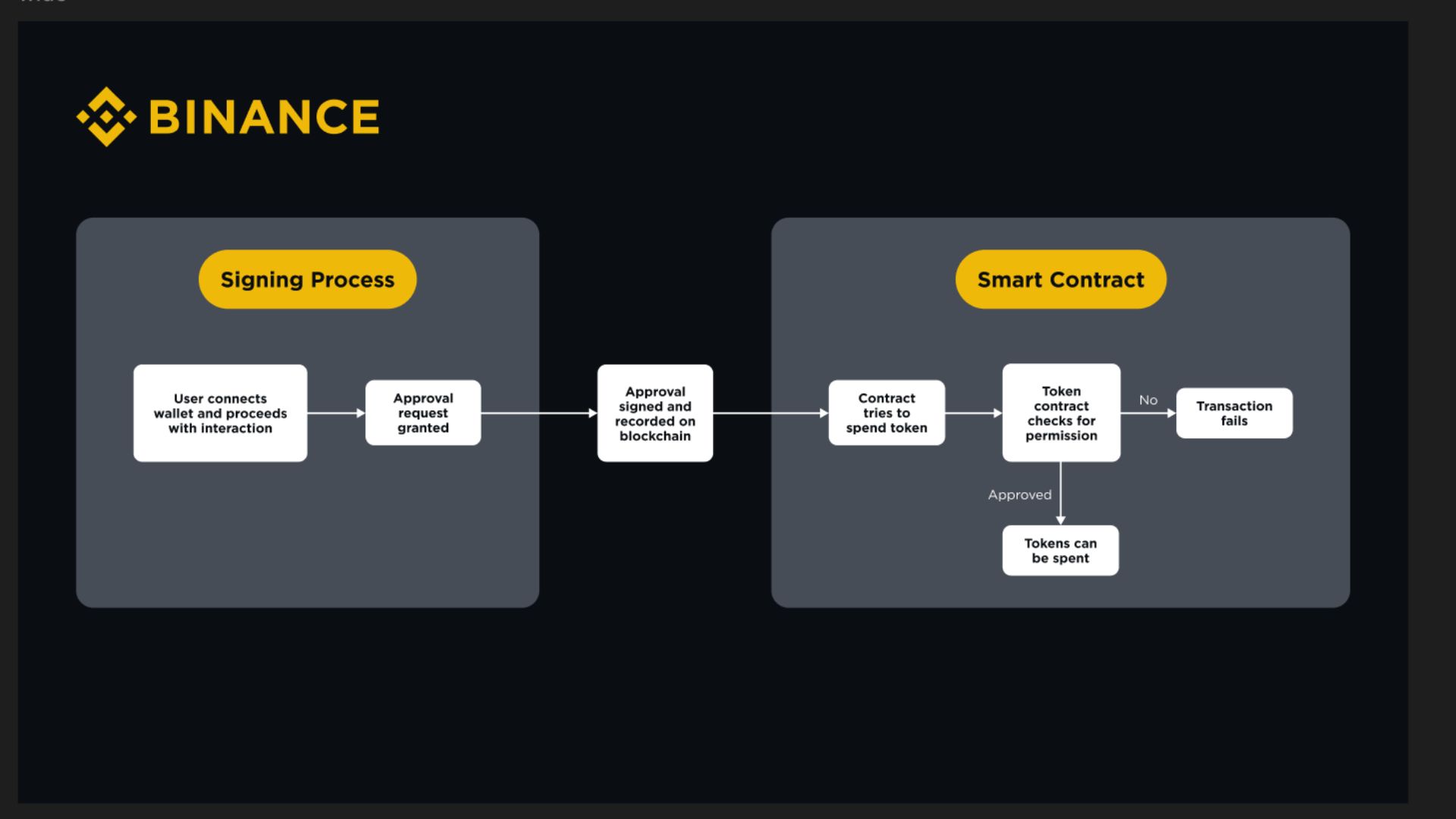
Understanding Token Approvals and Allowances
Token approvals are another major source of confusion on EVM-compatible blockchains.
For many ERC-20 tokens, a wallet can authorize a particular spender to move tokens on its behalf through an allowance mechanism. The familiar approve() function is commonly used for this purpose. NFT standards such as ERC-721 and ERC-1155 use related permission mechanisms, including setApprovalForAll().
These permissions exist for legitimate reasons. A decentralized application may need the ability to move tokens as part of a trade, deposit, or other contract interaction. Without an allowance mechanism, many applications would require users to authorize every individual token movement separately.
The risk comes from granting more authority than necessary.
A dApp may request a very large or effectively unlimited allowance rather than a narrowly defined amount. If that approval remains active, the designated spender may retain broad authority over the relevant token until the allowance is changed or revoked, subject to the rules of the token contract.
That creates a security problem when users forget about old approvals. A person might interact with an application once and then never return to it, while the associated permission remains recorded on-chain.
An old approval is therefore not necessarily harmless simply because the original website is no longer being used.
Why Unlimited Approvals Can Increase Exposure
The phrase “unlimited approval” can sound dramatic, but the underlying issue is straightforward: the approved spender may have substantially more authority than is necessary for one transaction.
Consider a user who intends to swap a limited amount of a token. If the application instead receives a very large allowance, the potential exposure is broader than it would be with a narrowly scoped approval.
The consequences depend on the token, the approved spender, and the relevant contract logic. If an attacker gains a way to use an existing approval, the user may be exposed even though the wallet's private key was never stolen.
That is an important distinction. A wallet does not have to be “hacked” in the traditional sense for an asset loss to occur. The user may have previously granted a permission that later becomes dangerous.
At the same time, an unlimited allowance does not mean that every future attacker can automatically drain every asset in the wallet. The permission applies to the relevant token and designated spender, and its practical use depends on the contract and token implementation.
That nuance is worth remembering because it prevents two opposite mistakes: assuming approvals are harmless, or assuming every approval gives an attacker unlimited control over an entire wallet.
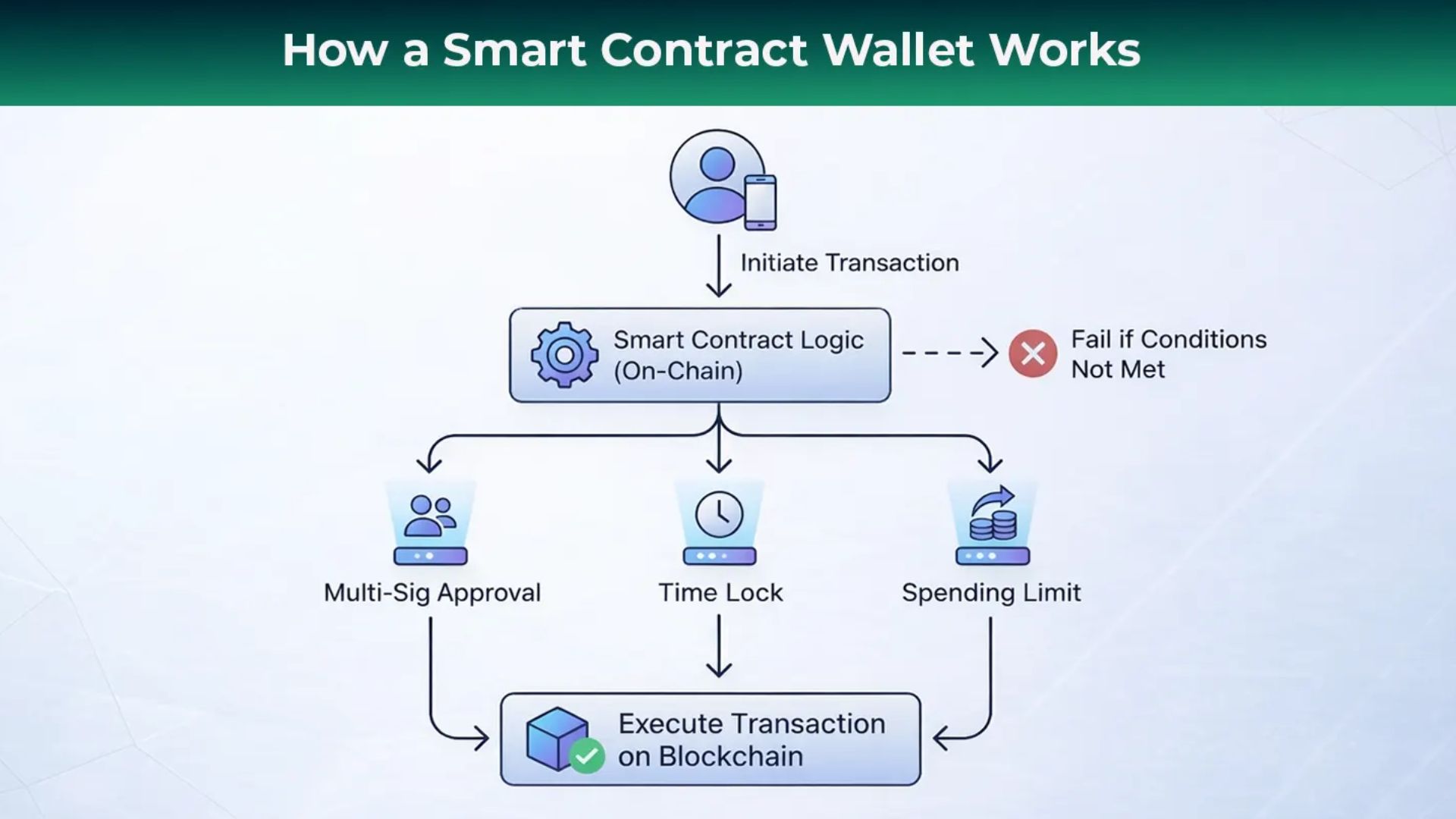
Transaction Simulation Can Add Another Layer of Review
Some modern wallets and security tools provide transaction simulation features. Instead of showing only raw calldata or a basic confirmation prompt, these systems attempt to estimate what the transaction is expected to change before the user signs it.
A simulation may reveal balance changes, token transfers, approvals, or other effects that are difficult to see from the original dApp interface.
This can be useful, but a simulation should not be treated as an infallible security guarantee. Simulation results depend on the transaction being analyzed, the state of the blockchain, and the capabilities of the tool performing the analysis. Complex interactions can also be difficult to interpret.
The best use of simulation is therefore as an additional verification layer rather than a substitute for judgment.
Practical Ways to Reduce dApp Permission Risks
Several habits can reduce unnecessary exposure when interacting with decentralized applications.
Verify the website first. Use trusted bookmarks or official project documentation rather than relying entirely on advertisements, unsolicited messages, or unfamiliar links. Look carefully at the domain before connecting a wallet.
Review wallet prompts. Do not treat every signature request as routine. Consider what asset, contract, address, or permission is involved before approving it.
Prefer limited allowances when practical. If an application only needs permission to spend a specific amount, a narrowly scoped allowance can reduce the potential impact of a compromised or misused approval.
Review existing approvals. Periodically checking active token allowances can reveal permissions that are no longer needed. Revoking or reducing unnecessary approvals may require an on-chain transaction and therefore a network fee, depending on the blockchain.
Use transaction simulation where available. A simulation can provide another view of the expected effects of a transaction, especially when the original interface presents little useful information.
Keep sensitive credentials separate. A recovery phrase or private key should never be entered into a website simply because a dApp claims that verification is required. Legitimate wallet connections do not require a website to receive the wallet's recovery phrase.
What to Do After a Suspicious Approval
If a user realizes that a suspicious token approval was granted, the first step is to identify exactly what permission was created. The relevant token, spender, network, and allowance should be checked rather than assuming that the entire wallet has been compromised.
If the private key or recovery phrase remains secure, revoking or reducing the suspicious allowance may remove that particular permission. It does not, however, undo transactions that have already been confirmed on-chain.
The situation changes if the recovery phrase or private key was exposed. Revoking a token allowance does not make an exposed private key safe again. In that case, the affected wallet should no longer be treated as a secure long-term storage location, and the appropriate response may involve moving remaining assets to a newly created wallet whose credentials have not been exposed.
The key is to distinguish between an exposed permission and an exposed credential. They are serious problems, but they require different responses.
A Better Mental Model for dApp Security
Web3 permissions become easier to understand when wallet activity is viewed as a series of separate authorization layers.
First, a dApp may connect to a public blockchain address. Then it may request a signature. It may also ask for token spending permission. Each step creates a different security question.
The most important question is not simply, “Is this dApp connected to my wallet?”
It is:
What exactly has this application been allowed to do?
A connection may expose public account information. A transaction signature may authorize a specific state change. A token approval may create an ongoing permission that remains active after the original interaction ends.
Once those distinctions are clear, many common Web3 security warnings become easier to interpret.
The goal is not to avoid every dApp or assume that every smart contract is malicious. It is to understand the permissions being requested, verify the transaction before signing, keep allowances under control, and treat unfamiliar authorization requests with appropriate caution.
That mindset turns wallet security from a vague warning into something much more practical: knowing exactly what has been connected, what has been signed, and what remains authorized afterward.
Filed under
More Stories