Syncing Your Budget to the Clock: Aligning Financial Planning With Pay Schedules
A budget can look perfectly reasonable on paper and still feel strangely difficult to live with. One reason is simple: income does not always arrive on the same schedule that expenses do.
Some workers are paid every week. Others receive a paycheck every two weeks or twice a month. Freelancers, contractors and commission-based workers may have no reliable payday at all. Meanwhile, rent, insurance, loan payments and other bills continue to arrive according to their own schedules.
When those two calendars do not line up, a household can experience cash-flow pressure even when its overall income and spending are manageable. A monthly budget applied mechanically to biweekly or irregular income may leave plenty of money on paper but too little available at the moment a large bill is due.
The solution is not necessarily a more complicated budget. It may simply be a budget that follows the way money actually arrives.
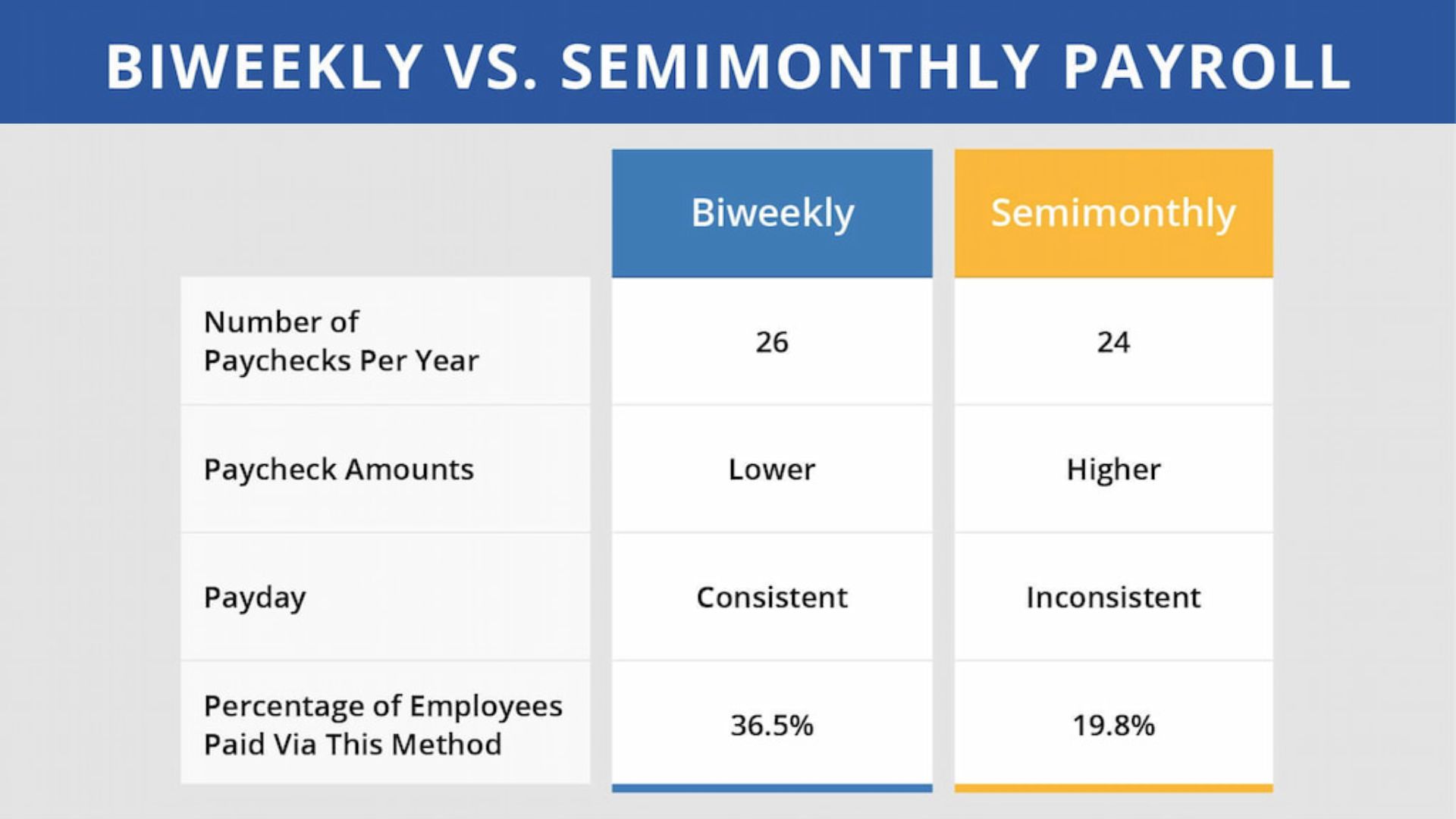
Biweekly Pay: Planning Around 26 Paychecks
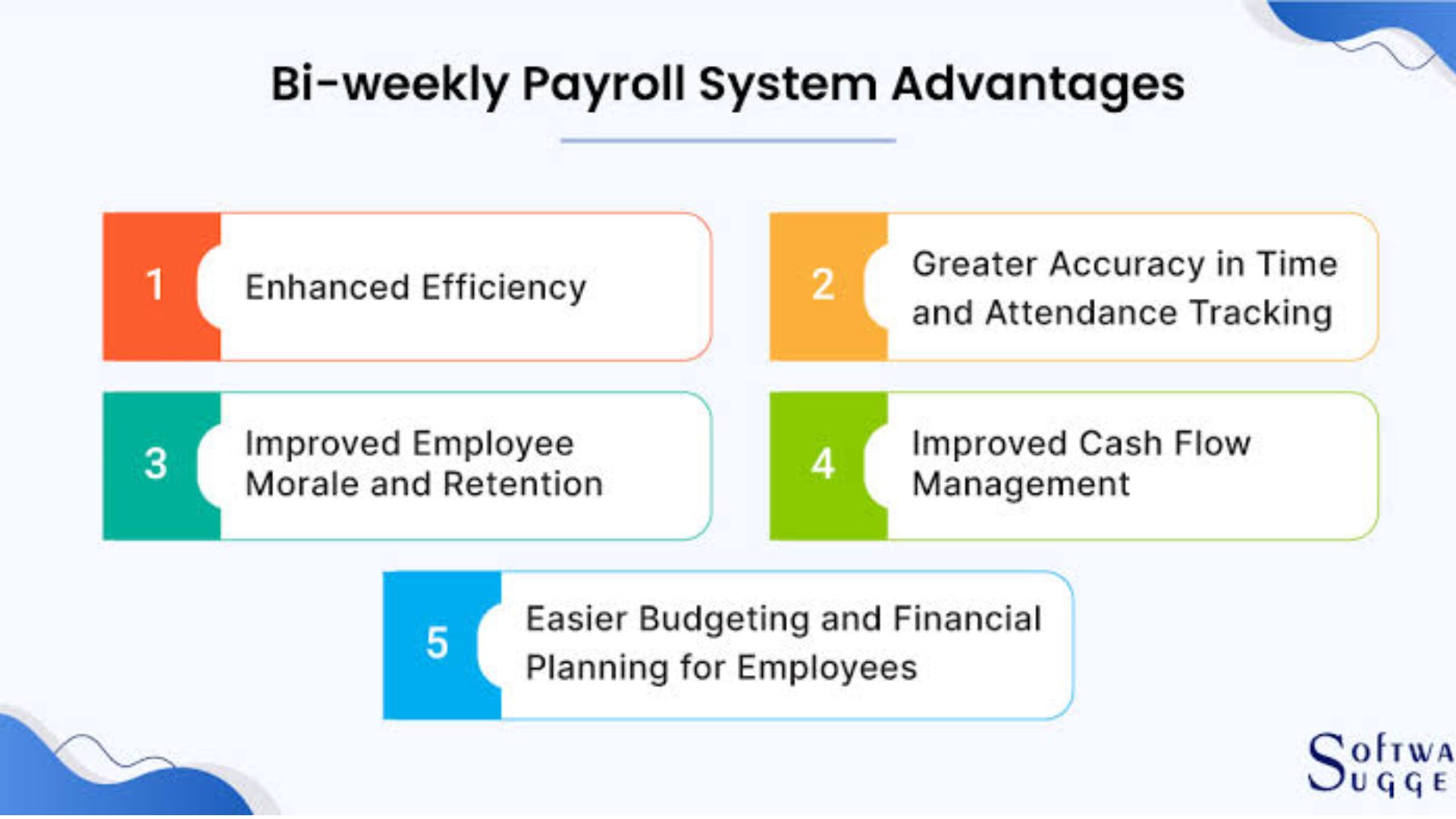
Biweekly pay arrives every two weeks, giving employees 26 paychecks during a typical 52-week year. Because a calendar month is slightly longer than four weeks, most months contain two paydays, while two months each year contain three.
That third paycheck can be useful, but it should not automatically be treated as extra spending money.
If regular household expenses are already covered by the normal two-paycheck pattern, the two additional annual paychecks can serve a different purpose. They might be directed toward building liquid savings, funding known annual expenses, paying down debt or strengthening a cash-flow buffer.
One conservative approach is to build the regular household budget around the income expected from two paychecks per month. The additional two paychecks then become separate funding opportunities rather than money that the household needs to maintain its normal lifestyle.
This distinction can help prevent lifestyle creep. If recurring expenses are increased to absorb every paycheck, the advantage of having two additional pay periods largely disappears.
There is another detail worth remembering: the exact months containing three paychecks depend on the employer's payroll calendar and the day of the week on which employees are paid. The household should therefore check the actual payroll calendar rather than assuming which months will contain the extra checks.
Semimonthly Pay: Working With Fixed Calendar Dates
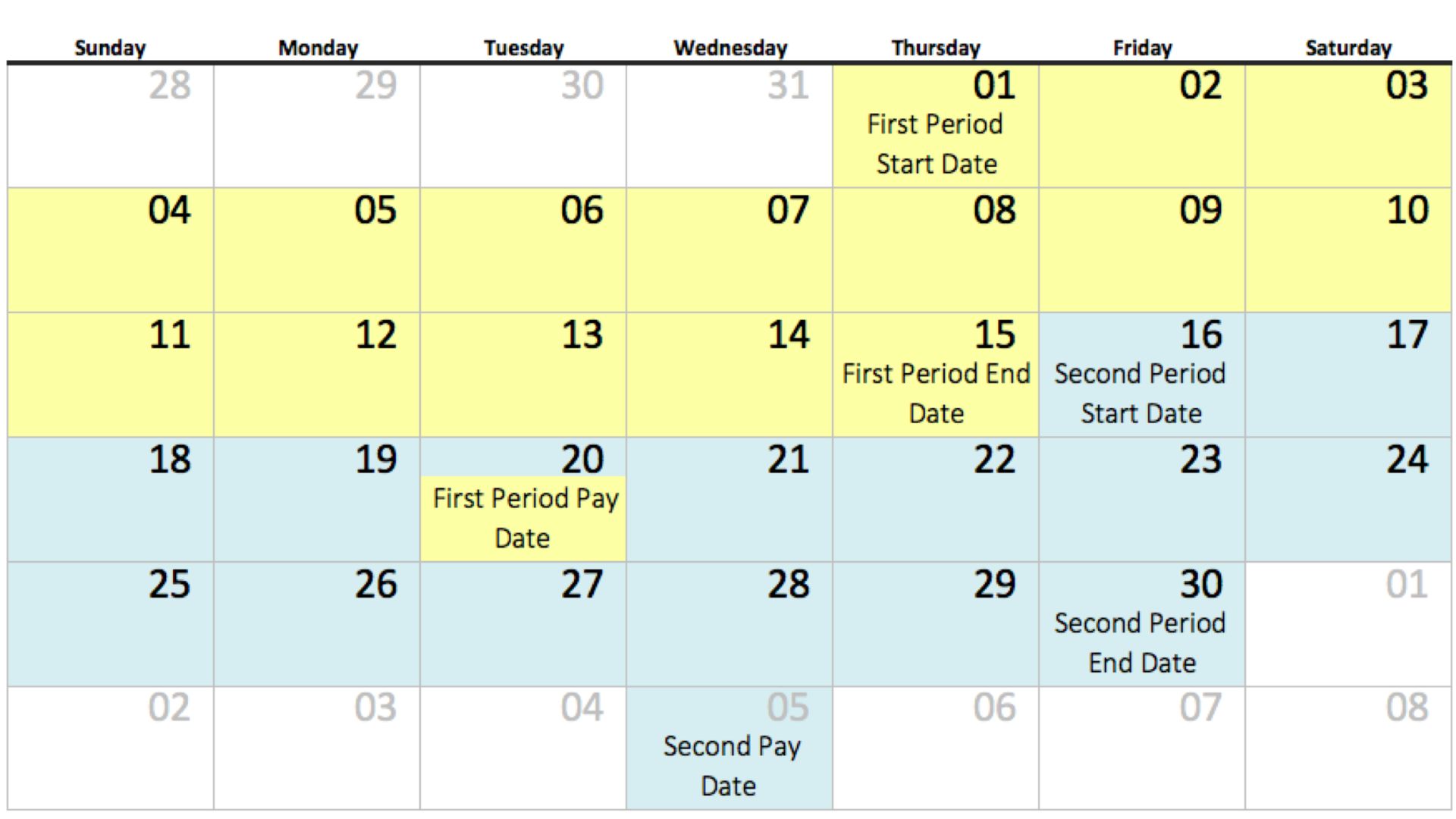
Semimonthly pay works differently. Employees are paid twice each month, usually on specified calendar dates such as the 15th and the last working day of the month, although employers use different schedules.
The result is 24 paychecks per year, with each payment tied to a predictable calendar date.
That predictability can make monthly budgeting relatively straightforward. The challenge is that household bills rarely divide themselves neatly into two equal groups.
A mortgage or rent payment might be due near the beginning of the month. An insurance premium, credit-card payment or other obligation might fall closer to the middle or end.
Instead of looking at each paycheck as completely separate spending money, it can help to map upcoming bills against the next several paydays.
For example, money arriving in the second half of one month can be used to prepare for obligations due at the beginning of the next month. A household with a sufficient cash buffer can therefore avoid treating the first paycheck of the month as though it has to carry every large expense that happens to be due around that time.
A dedicated bill-paying account or sub-account can make this easier. Funds intended for upcoming fixed expenses remain separate from the money available for everyday spending.
The important point is that semimonthly income does not have to be forced into a weekly or biweekly budgeting pattern. The calendar dates themselves provide a useful planning framework.
Weekly Pay: Turning Annual Costs Into Weekly Allocations
Weekly pay creates a different rhythm. Money arrives frequently, which can make short-term cash flow feel comfortable, but large monthly or annual expenses can appear disproportionately large when viewed against a single paycheck.
Consider a household with $24,000 in fixed expenses over a year. Looking only at a $461.54 weekly allocation may feel easier than confronting the entire annual amount at once. That figure comes from dividing the annual obligation by 52 weeks.
This annual-to-weekly conversion is more accurate than simply dividing a monthly amount by four because a year contains 52 weeks rather than exactly 48.
The same principle can be applied to predictable annual expenses. Property-related costs, insurance premiums, subscriptions, registration fees and other periodic obligations can be translated into weekly amounts and transferred into a dedicated account as income arrives.
The household does not necessarily need to pay every bill weekly. The weekly allocation simply prepares the money ahead of time.
Automation can help here. A recurring transfer can move the planned amount into a bill-paying or sinking-fund account after each paycheck. The remaining balance then represents a more realistic pool for current spending.
Weekly earners may also benefit from avoiding the temptation to treat every Friday as a fresh spending opportunity. Frequent paydays can make income feel abundant because another payment is always relatively close. A weekly allocation system puts some distance between payday and discretionary spending.
Variable Income: Stop Pretending Every Month Looks the Same
Freelancers, independent contractors, commission-based workers and other people with irregular income face a different problem.
There may be no meaningful payday cycle to synchronize with.
One month could contain several large client payments. Another might be much quieter. Averaging annual income and dividing it by twelve can be useful for long-term planning, but it does not make actual cash flow behave like a salary.
That distinction matters.
A household that spends according to an average monthly income during a weak revenue period may quickly find itself short of cash. The average may be mathematically correct while still being useless for a particular month.
A more resilient approach is to separate income collection from household spending where possible.
For a self-employed person, business revenue can first enter an appropriate business account. From there, the owner can transfer a planned amount to a personal account for household expenses, subject to applicable tax, business and banking considerations.
The personal transfer can be based on a conservative assessment of historical income, essential household expenses and the amount of liquid reserves available.
During stronger months, excess funds do not necessarily need to translate into higher recurring household spending. They can help build reserves for weaker periods, cover predictable annual expenses or support other financial priorities.
The exact reserve target will vary. A freelancer whose income changes dramatically from month to month may need more liquidity than someone whose revenue is relatively stable.
The goal is to make household spending more predictable without pretending that the underlying income is predictable.
Matching the Budget to the Pay Cycle
The right approach depends on what makes the household's cash flow difficult to manage.
Biweekly earners can benefit from treating the two additional annual paychecks as separate funding opportunities rather than incorporating them into recurring lifestyle expenses.
Semimonthly earners can plan around the actual calendar dates of their paychecks and distribute bill funding across those dates instead of treating each payment as an isolated monthly budget.
Weekly earners can convert annual or monthly obligations into weekly allocations, making large periodic expenses easier to fund gradually.
Variable earners generally need a stronger separation between incoming revenue and household spending, along with enough liquid reserves to absorb uneven income.
There is no requirement to use only one technique. A household might combine a weekly transfer system with sinking funds, or use a clearing account for variable income and a fixed monthly household allowance.
What matters is that the method reflects the actual timing of the money.
Building a Buffer Between Payday and Bills
Pay schedules are only half of the equation. The other half is the timing of expenses.
A household can earn enough over an entire year and still experience short-term stress if income arrives after a major payment is due. That is where a cash-flow buffer becomes useful.
The buffer does not need to be enormous. Its purpose is to create enough separation between income dates and bill dates that the household is not constantly waiting for the next paycheck to cover the previous month's obligations.
Over time, the buffer can also make budget adjustments easier. If a utility bill is higher than expected or an annual expense arrives earlier than planned, the household has some room to absorb the difference without immediately changing everyday spending.
The appropriate amount depends on income stability, fixed obligations and access to other liquid savings. There is no single number that fits every household.
Let the Calendar Do Some of the Work
Budgeting becomes easier when the financial system respects the calendar instead of fighting it.
A monthly budget is convenient, but income does not always arrive monthly. A weekly paycheck does not need to be squeezed into a monthly framework, and irregular income does not become predictable simply because an annual average looks tidy on a spreadsheet.
Start with the actual schedule. Mark the dates when income arrives. Then map the major expenses against those dates.
From there, decide which money needs to be reserved, which expenses can be funded gradually and how much can reasonably remain available for everyday spending.
The objective is not to create a perfect prediction of the future. It is to reduce the gap between the way income arrives and the way money leaves the household.
When those two rhythms are aligned, budgeting tends to require less improvisation. Payday becomes part of a system rather than an event that repeatedly resets the household's financial decisions.
This article provides general household cash-flow information rather than individualized financial, tax or investment advice. Appropriate budgeting methods vary according to income, expenses, account arrangements and individual circumstances.
Filed under
More Stories