The Mechanics of Sinking Funds: Absorbing Life's Predictable Surprises
One of the easiest ways for a household budget to go off track is to assume that monthly bills tell the whole story. Rent, utilities, groceries and loan payments may account for most of the regular spending, but they do not capture every expense that shows up during the year.
Then the holiday season arrives. An insurance premium comes due twice a year. A vehicle needs maintenance. A property-tax bill lands in the mailbox. None of these expenses necessarily represents a financial emergency, yet each can disrupt a budget if no money has been set aside for it.
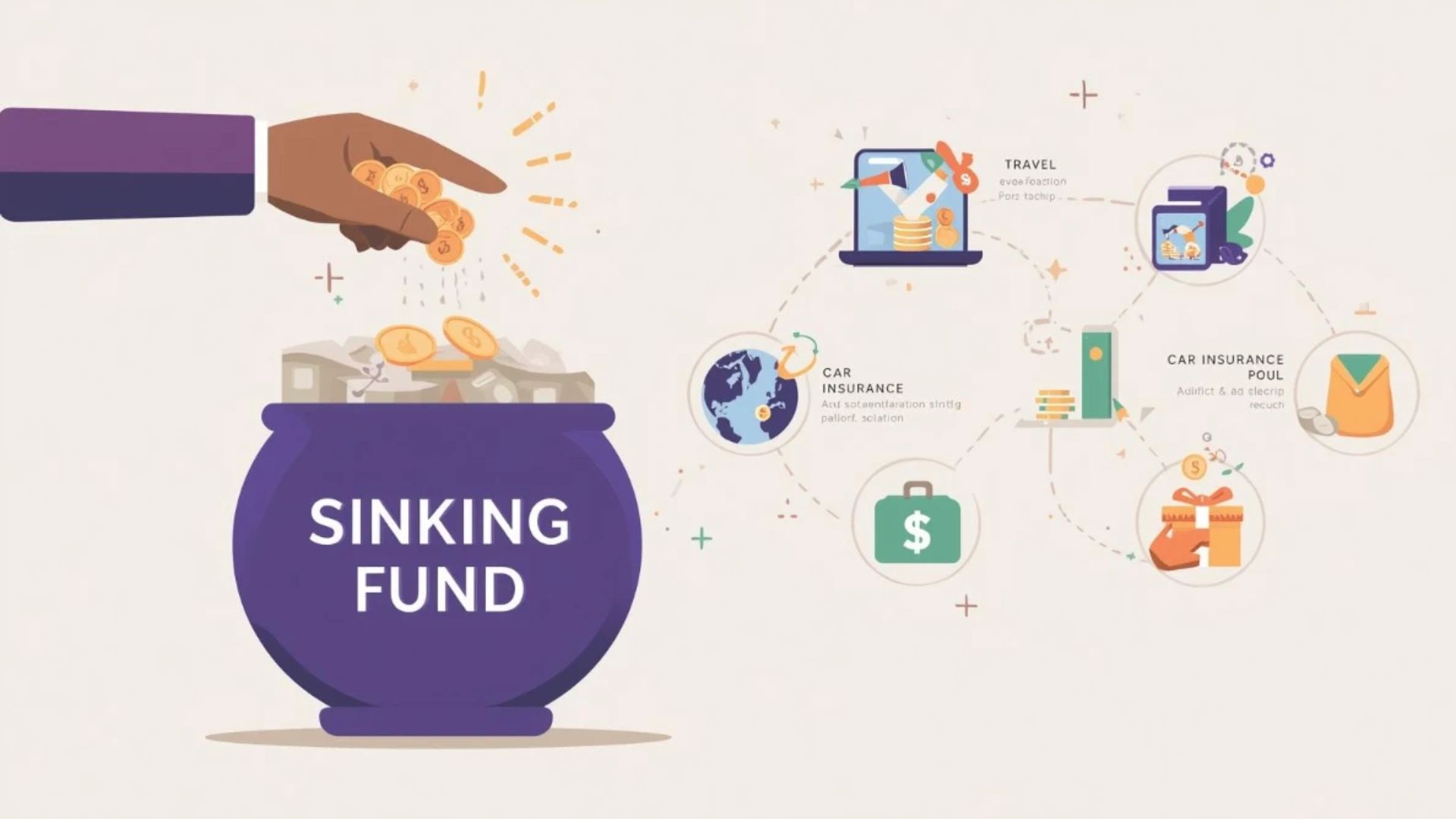
That is where sinking funds can help. Instead of waiting for a large, non-monthly expense to appear and then finding room for it in that month's budget, a household can gradually reserve money ahead of time. The basic idea is simple: estimate the future cost, determine when the money will be needed, and spread the funding across the available pay periods.
Sinking Funds vs. Emergency Savings
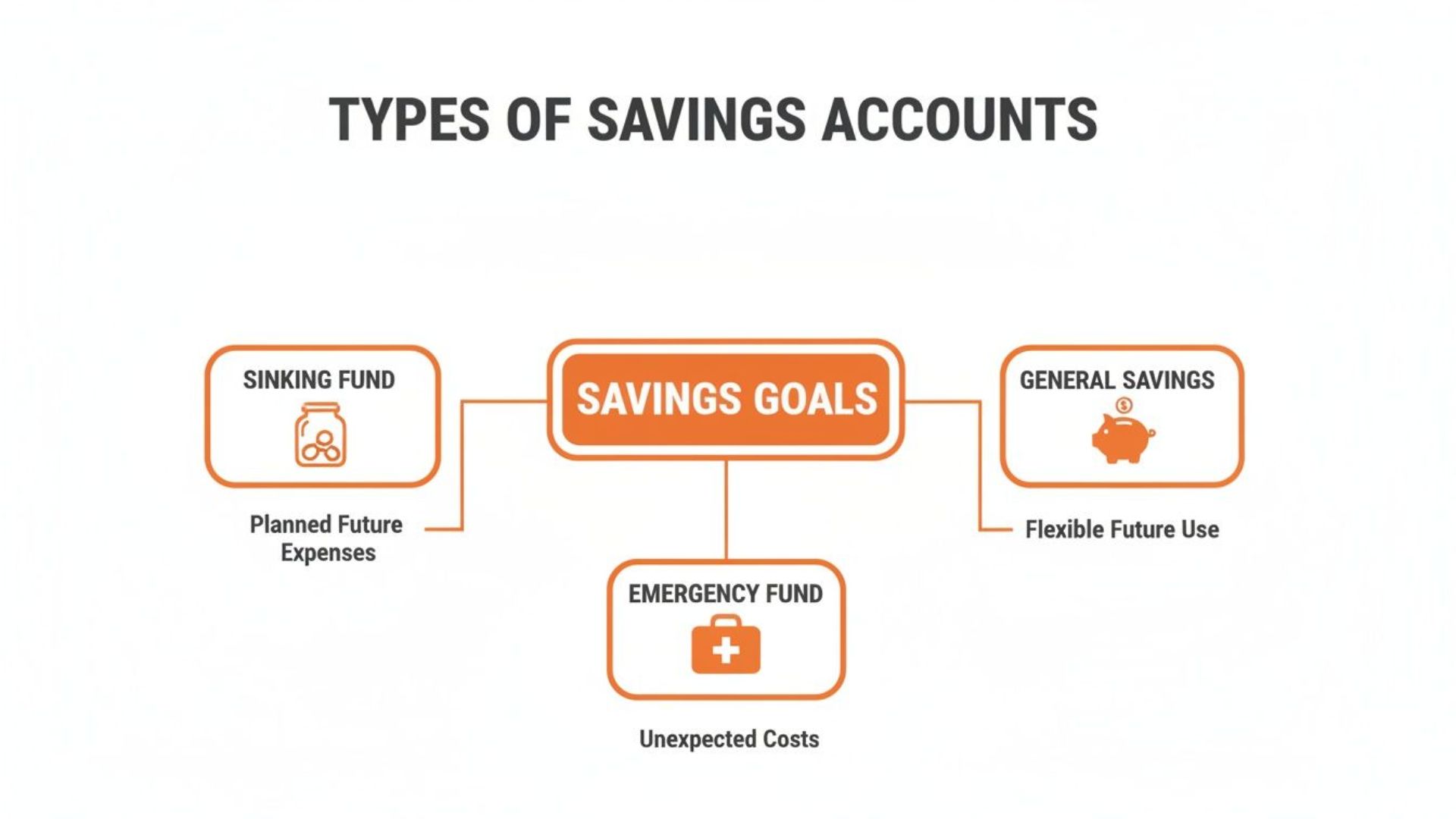
Sinking funds and emergency savings are both forms of cash reserves, but they serve different purposes.
An emergency fund is generally reserved for significant, unexpected expenses or disruptions to income, such as job loss, a major repair or an unforeseen medical expense. The timing and size of these events are difficult to predict, which is why emergency savings are designed to remain available rather than assigned to a specific upcoming bill.
A sinking fund works differently. It is intended for a known or reasonably foreseeable expense. Annual insurance premiums, property taxes, holiday spending, school-related purchases and planned vehicle maintenance are examples of costs that may occur outside the normal monthly budget.
The distinction matters because predictable expenses should not repeatedly consume money that was intended for genuine emergencies. If a household knows that an annual bill is coming, gradually setting aside money for that bill can make the eventual payment much easier to absorb.
Not every irregular expense deserves its own account, either. Several small expenses can sometimes be grouped into one broader reserve, particularly when their timing and amounts are uncertain.
Finding Expenses That Do Not Fit the Monthly Budget
The easiest way to design sinking funds is to look backward before trying to predict the future. Review several months of bank and credit-card statements and look for expenses that occur less frequently than once a month.
These costs usually fall into a few practical groups.
Seasonal Expenses
Some household costs rise and fall with the calendar. Heating can become more expensive during colder months, while air-conditioning costs may increase during hot weather. Water consumption can also change with seasonal use.
Instead of treating the higher bill as a surprise, a household can estimate the annual cost and spread the expected amount across the year.
Suppose electricity costs roughly $1,800 over a year, but the monthly bills vary significantly by season. Setting aside about $150 per month creates a smoother funding pattern even though the actual utility bills remain uneven.
The goal is not to predict every monthly bill perfectly. It is to reduce the effect of predictable seasonal swings on the rest of the budget.
Annual and Semi-Annual Bills
Some expenses arrive once or twice a year. Examples can include certain insurance premiums, property taxes, professional renewals and annual subscriptions.
These are among the easiest sinking funds to calculate because the due dates are usually known in advance.
If an expense is expected to total $1,200 and the household has six months before the payment is due, the basic contribution would be:
$1,200 ÷ 6 = $200 per month
If $300 has already been saved, the calculation changes:
($1,200 − $300) ÷ 6 = $150 per month
That second calculation is easy to overlook, but it makes the system much more useful. The goal is to fund the remaining obligation, not to start the calculation from zero every time.
Because annual costs can change, the previous year's bill should be treated as a planning reference rather than a guaranteed future price.
Maintenance and Other Irregular Costs
Some expenses do not have a fixed billing date at all. Vehicle maintenance, home repairs, pet care and replacement purchases can fall into this category.
These costs are harder to predict, but that does not make them completely unknowable.
A household can look at previous spending, the age and condition of an asset, manufacturer maintenance schedules and other relevant information to establish a reasonable estimate. The estimate will not be exact, and it should not be treated as one.
For example, a car may not need new tires in a particular year, but tire replacement is still a foreseeable ownership expense. A maintenance reserve can therefore accumulate gradually, with the understanding that the actual timing and amount may differ from the original estimate.
That flexibility is important. A sinking fund is a planning tool, not a promise that the future will follow the spreadsheet.
The Basic Sinking Fund Calculation
The core calculation is straightforward:
Required periodic contribution = (Target amount − existing fund balance) ÷ remaining contribution periods
The contribution period can be monthly, biweekly, weekly or tied to another regular income schedule.
Imagine a $1,500 annual insurance bill that is due in five months, with $400 already set aside.
The remaining amount is $1,100.
If the household plans to make five monthly contributions:
$1,100 ÷ 5 = $220 per month
If the household receives income every two weeks, it could instead divide the remaining amount across the number of available pay periods before the bill arrives.
The important part is matching the calculation to the actual cash-flow schedule.
Where Should Sinking Funds Be Kept?
A sinking fund does not necessarily require a separate bank account for every expense.
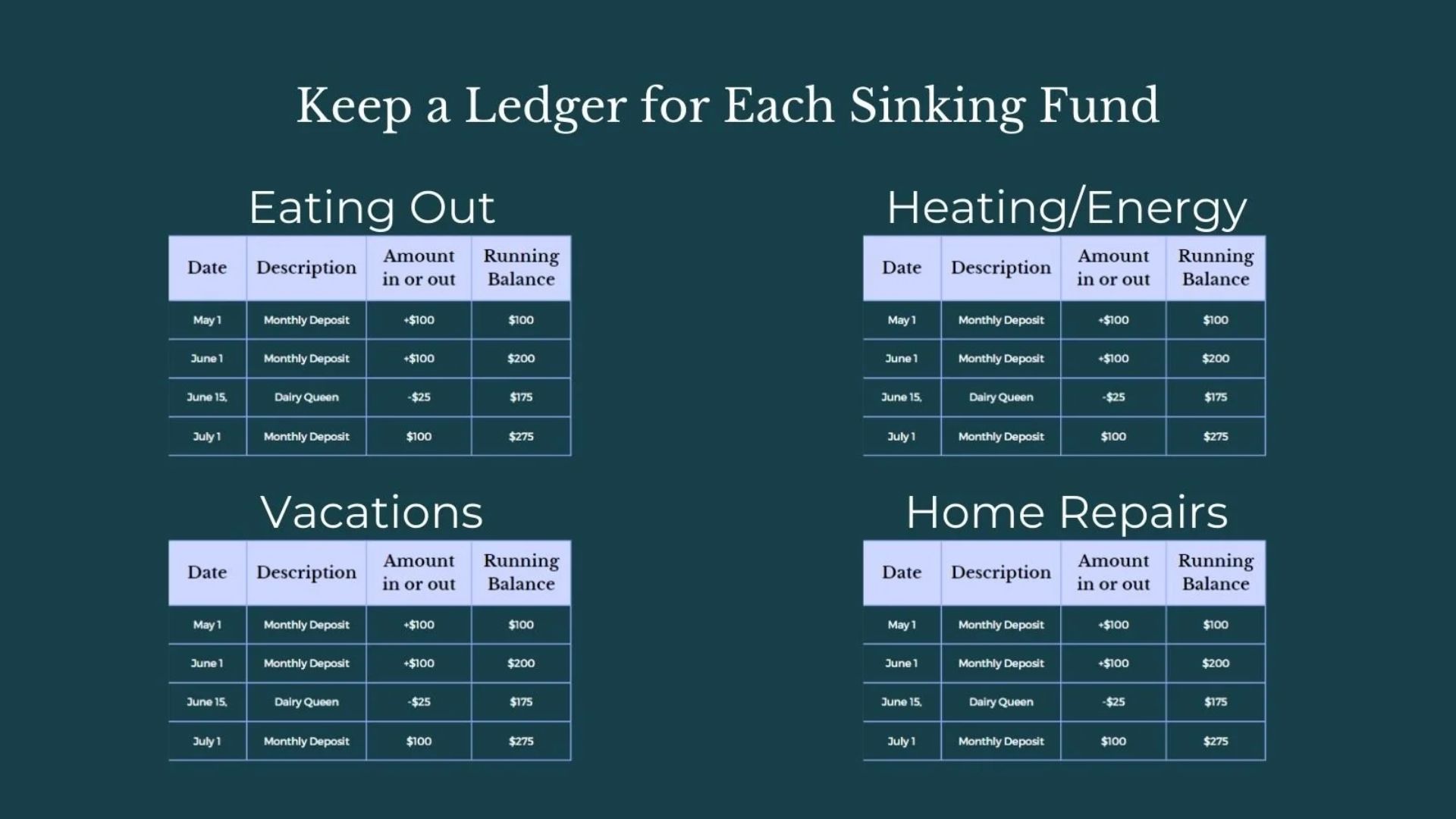
For some households, several reserves can sit together in one savings account while a spreadsheet or banking tool tracks the intended balances. Others may prefer separate sub-accounts because the visual separation makes the money easier to understand.
Either approach can work.
The main consideration is whether the household can distinguish reserved money from available spending money. Keeping a property-tax reserve in the same checking balance used for groceries and entertainment can make the account balance look healthier than it really is.
A separate savings account, sub-account or clearly tracked reserve can reduce that confusion.
The funds should also remain reasonably accessible if the expense is approaching. A sinking fund for a bill due next month serves a different purpose from long-term investment money, so the location of the funds should match the time horizon and liquidity needs.
Automating the Contributions
Once the required contribution has been calculated, automation can remove much of the routine work.
For example, a household receiving two paychecks each month could schedule a transfer into its sinking-fund reserve after each payday. Someone paid weekly might make a smaller weekly contribution instead.
The contribution does not need to be identical forever. If the insurance premium changes, the vehicle needs a larger maintenance reserve or the expected expense date moves, the calculation can be updated.
Automation simply ensures that the household follows the current plan consistently.
When the bill eventually arrives, the money is already available for its intended purpose. The payment then becomes an ordinary transaction rather than an event that forces the household to rearrange the rest of the month's spending.
Handling Estimates When the Final Cost Is Unknown
The hardest sinking funds are those where neither the timing nor the final price is certain.
Vehicle repairs are a good example. A household may know that maintenance will eventually be required but have no idea whether the next repair will cost a few hundred dollars or considerably more.
In these situations, precision is less important than creating a reasonable reserve.
One option is to review previous repair costs and maintenance records, then establish an annual target that can be revisited periodically. Another is to combine several uncertain categories—such as car maintenance, home repairs and appliance replacement—into a broader household maintenance fund.
The estimate can be adjusted as new information appears.
This approach is different from pretending that an uncertain expense is predictable down to the dollar. The purpose of the reserve is simply to create financial room before the expense arrives.
What Happens When a Sinking Fund Is Not Used?
Not every fund will be spent on schedule.
Suppose a household sets aside money for vehicle repairs but the car remains trouble-free throughout the year. That balance does not automatically become ordinary spending money.
Depending on the purpose of the fund, the household could leave the money in place for future maintenance, reduce future contributions, or redirect part of the surplus toward another known financial priority.
The right choice depends on the expected future expense and the household's broader financial situation.
This is one reason sinking funds work best as flexible planning categories rather than rigid accounts that must be emptied at the end of every year.
Building Sinking Funds Into the Household Cash-Flow System
Sinking funds work best when they are included in the budget from the beginning rather than treated as optional savings.
When income arrives, the household can account for fixed bills, regular spending, savings goals and sinking-fund contributions before deciding how much remains available for discretionary purchases.
For example, a household might have separate allocations for:
Annual insurance
Vehicle maintenance
Property taxes
Holiday spending
Home maintenance
School-related expenses
The categories will vary from household to household. There is no need to create a separate fund for every small purchase.
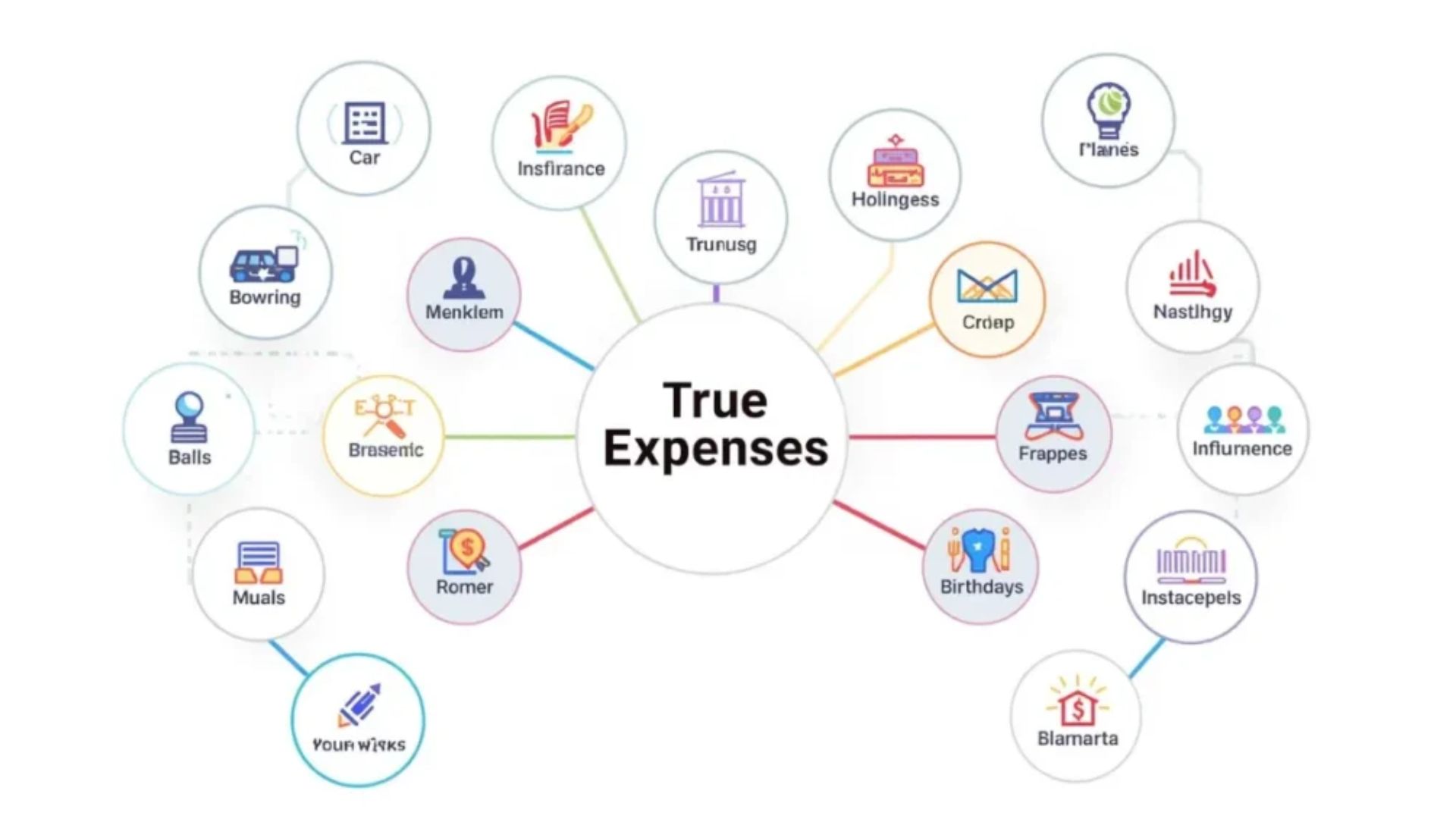
The practical test is simple: if an expense is large enough to disrupt the normal monthly budget and occurs often enough to be foreseeable, it may be worth funding gradually.
Conclusion
The value of a sinking fund is not that it makes irregular expenses disappear. They still have to be paid.
What changes is the timing of the financial preparation.
Instead of allowing an annual bill, seasonal cost or major maintenance expense to compete with that month's groceries and utility payments, the household gradually sets aside money before the expense arrives. Some costs can be estimated closely; others require a broader reserve and periodic adjustment.
That makes sinking funds less about predicting the future perfectly and more about giving predictable financial obligations a place in the budget before they become urgent.
When the money has already been reserved, an irregular expense becomes much less disruptive. The bill still arrives. It just no longer has to arrive as a surprise.
This article provides general household budgeting information rather than individualized financial, tax, investment or professional financial advice. Actual costs, payment schedules and appropriate reserve amounts vary by household.
Filed under
More Stories