A Step-by-Step Guide to Disputing Credit Report Errors and Fraudulent Accounts
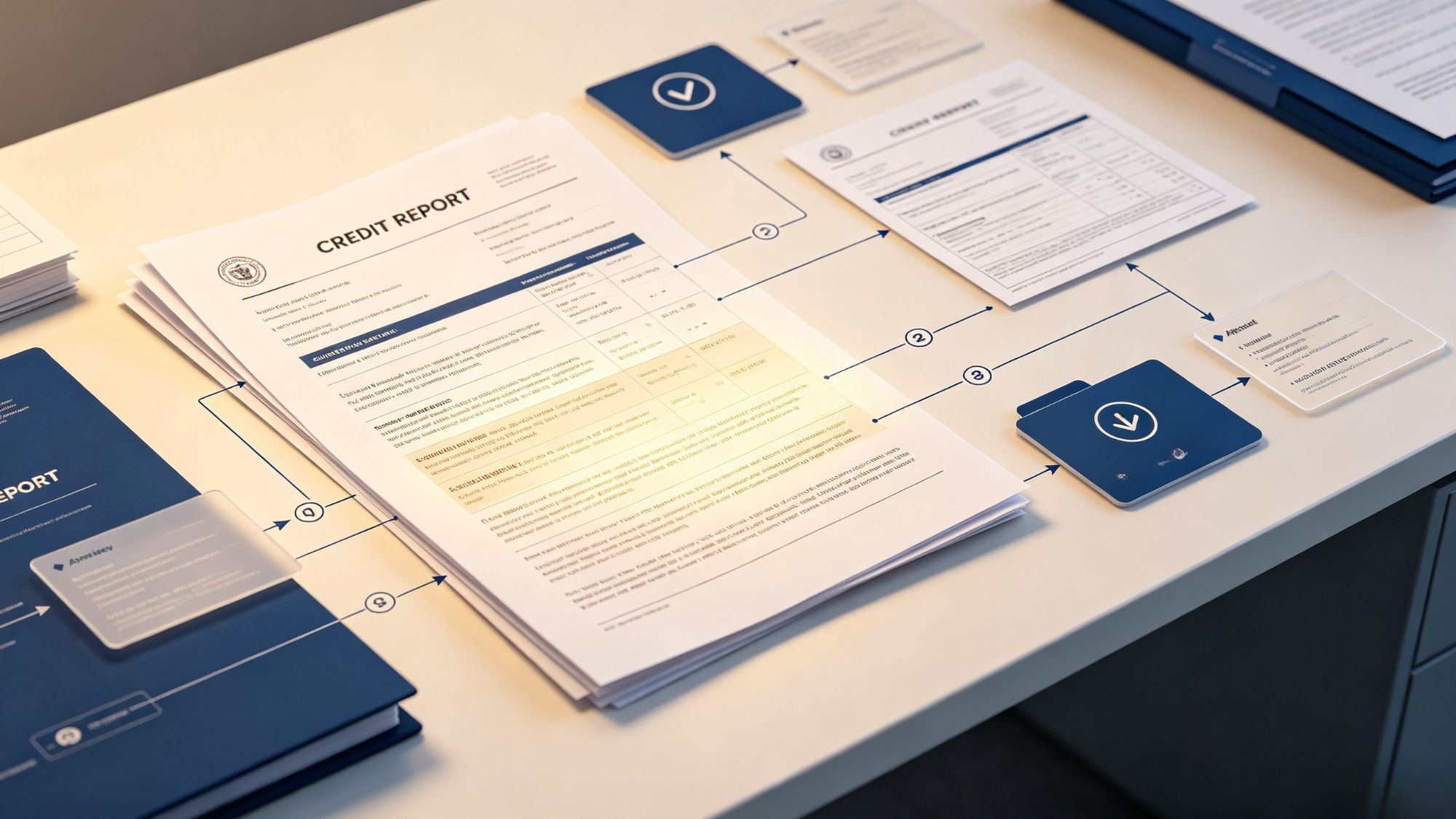
Errors on a credit report can create unnecessary challenges when consumers apply for loans, housing, or other financial services. Incorrect account information, outdated records, or fraudulent accounts may affect how lenders evaluate a consumer’s credit profile.
Fortunately, federal consumer protection laws provide a process for challenging inaccurate information. Understanding how to collect evidence, submit disputes, and follow up with credit reporting agencies can help consumers address credit report problems more effectively.
Review Credit Reports and Identify Errors
Before submitting a dispute, consumers should collect information from official credit reports rather than relying only on credit monitoring apps.
Credit reports from Equifax, Experian, and TransUnion may contain different information, so reviewing reports from multiple bureaus can help identify discrepancies.
Common issues to look for include:
Accounts that do not belong to the consumer
Incorrect payment history
Wrong balances or account details
Outdated personal information
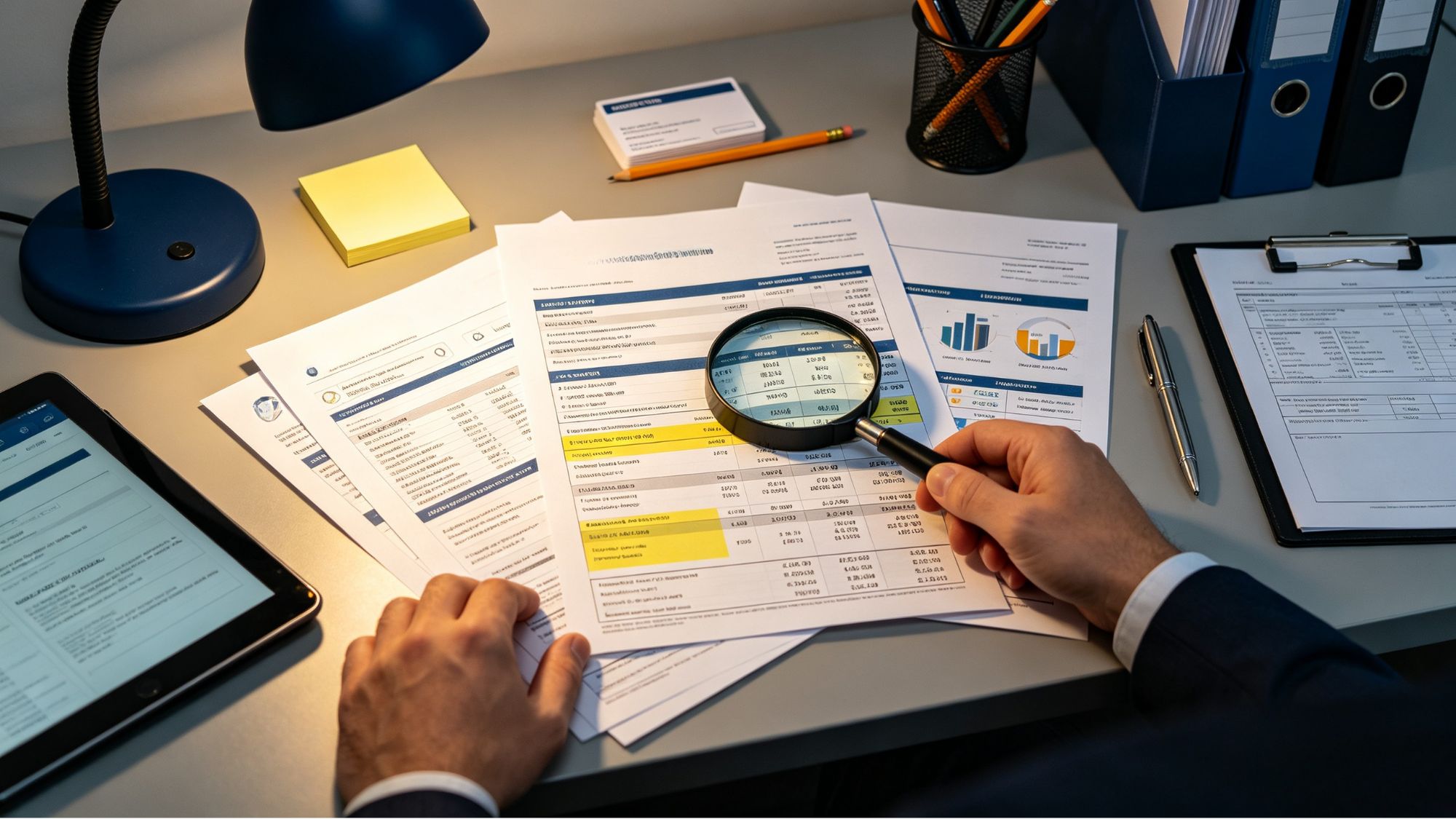
Each suspected error should be documented with details such as the account name, account number, and explanation of why the information appears incorrect.
Gather Supporting Documents
A strong dispute usually includes evidence supporting the claim.
Examples include:
Bank statements showing payment records
Account documents proving ownership or non-ownership
Identification documents confirming personal information
Identity theft reports when fraudulent accounts are involved
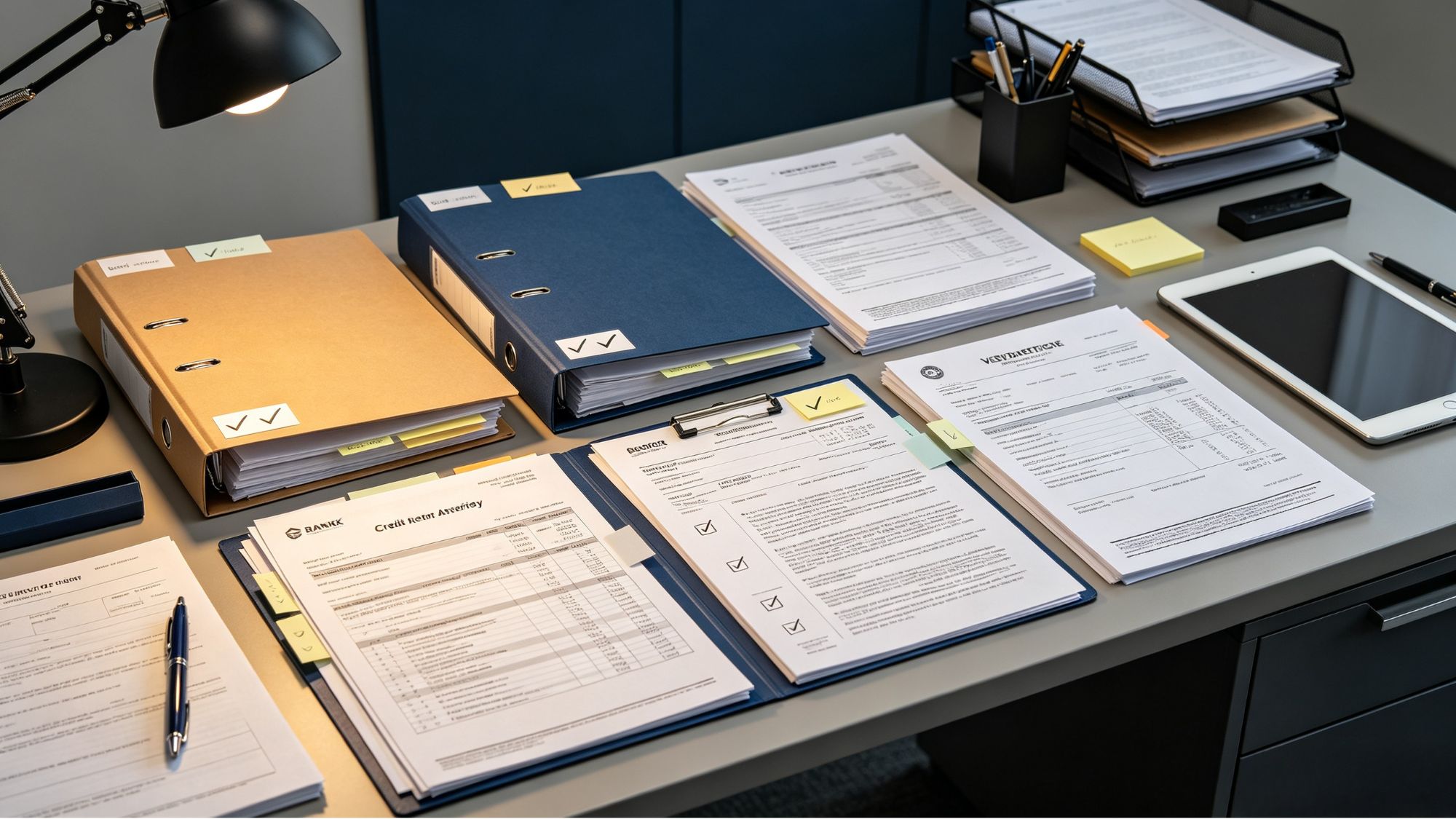
Keeping copies of all submitted materials can make it easier to track the dispute process.
Submit a Formal Dispute
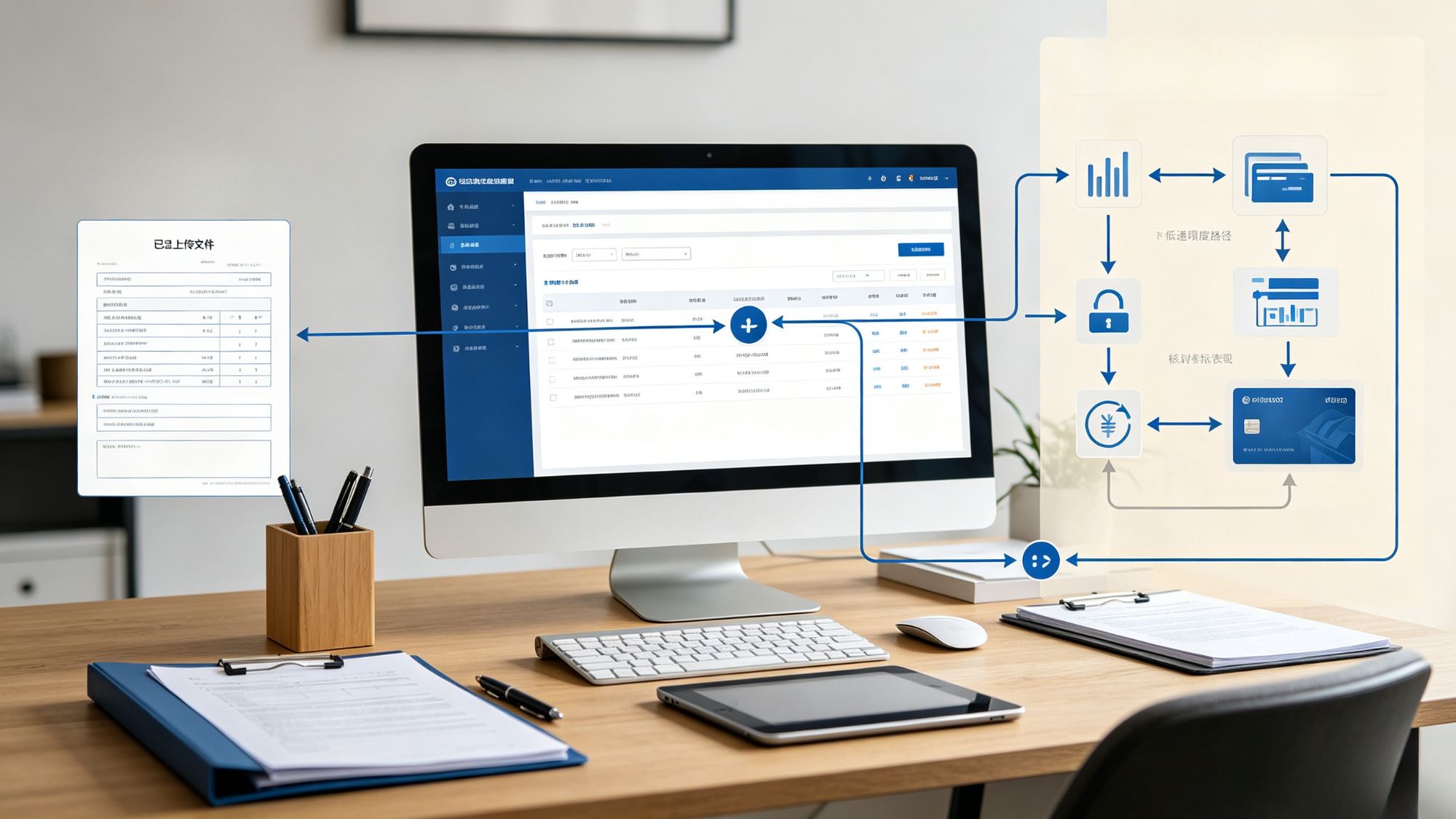
Consumers can submit disputes to the credit bureau reporting the inaccurate information. Many bureaus offer online dispute systems, while written submissions may help consumers keep clearer records of their requests.
A dispute letter should include:
Personal identification information
Details about the disputed account
A clear explanation of the error
Copies of supporting documents
Consumers should keep original documents and submit copies when providing evidence.
Contact the Company That Reported the Information
In some cases, consumers may also contact the company that provided the inaccurate information, such as a bank, lender, or collection agency.
This can be especially useful when dealing with accounts that may have resulted from identity theft or administrative errors.
Review the Investigation Results
Credit reporting agencies generally investigate disputes within required timeframes and provide consumers with the results.
If information is found to be inaccurate or cannot be verified, the record may need to be corrected or removed according to applicable regulations.
If a dispute is unsuccessful, consumers may still have options, such as adding a statement to their credit file or submitting complaints through appropriate consumer protection channels.
Conclusion
Disputing credit report errors requires careful preparation, accurate documentation, and patience throughout the review process. By checking official credit reports, collecting supporting evidence, and following established dispute procedures, consumers can improve the accuracy of their credit information.
Correcting inaccurate records does not guarantee a specific lending outcome, but maintaining accurate credit reports helps ensure that future financial decisions are based on reliable information.
Filed under
More Stories