Credit Report Review Guide: How to Find Errors and Protect Your Borrowing Profile

A credit report plays an important role in many lending decisions in the United States. When consumers apply for mortgages, auto loans, credit cards, or other financial products, lenders often review credit information from major credit reporting agencies such as Equifax, Experian, and TransUnion.
Because lending decisions depend partly on information contained in credit reports, inaccurate records may affect credit evaluations, interest rates, or the overall application process. Reviewing a credit report in advance can help consumers identify potential mistakes and address them before they become a problem.
Start With Official Credit Reports
A proper review begins with obtaining official credit reports from all three major credit bureaus.
Many financial apps provide useful monitoring tools, but they may not display every account detail found in a full credit report. A complete review requires checking the actual reports provided by the credit bureaus.
Consumers can access official credit reports through AnnualCreditReport.com, the authorized website for requesting reports from Equifax, Experian, and TransUnion according to current availability rules.
Checking reports from all three bureaus is important because information may vary between them.

Review Personal Information First
The first section to examine is personal identification information.
Look for:
Incorrect names or spelling variations
Unfamiliar addresses
Employment information that does not match personal records
Unexpected information may indicate reporting mistakes or possible identity-related issues.
Check Credit Accounts Carefully
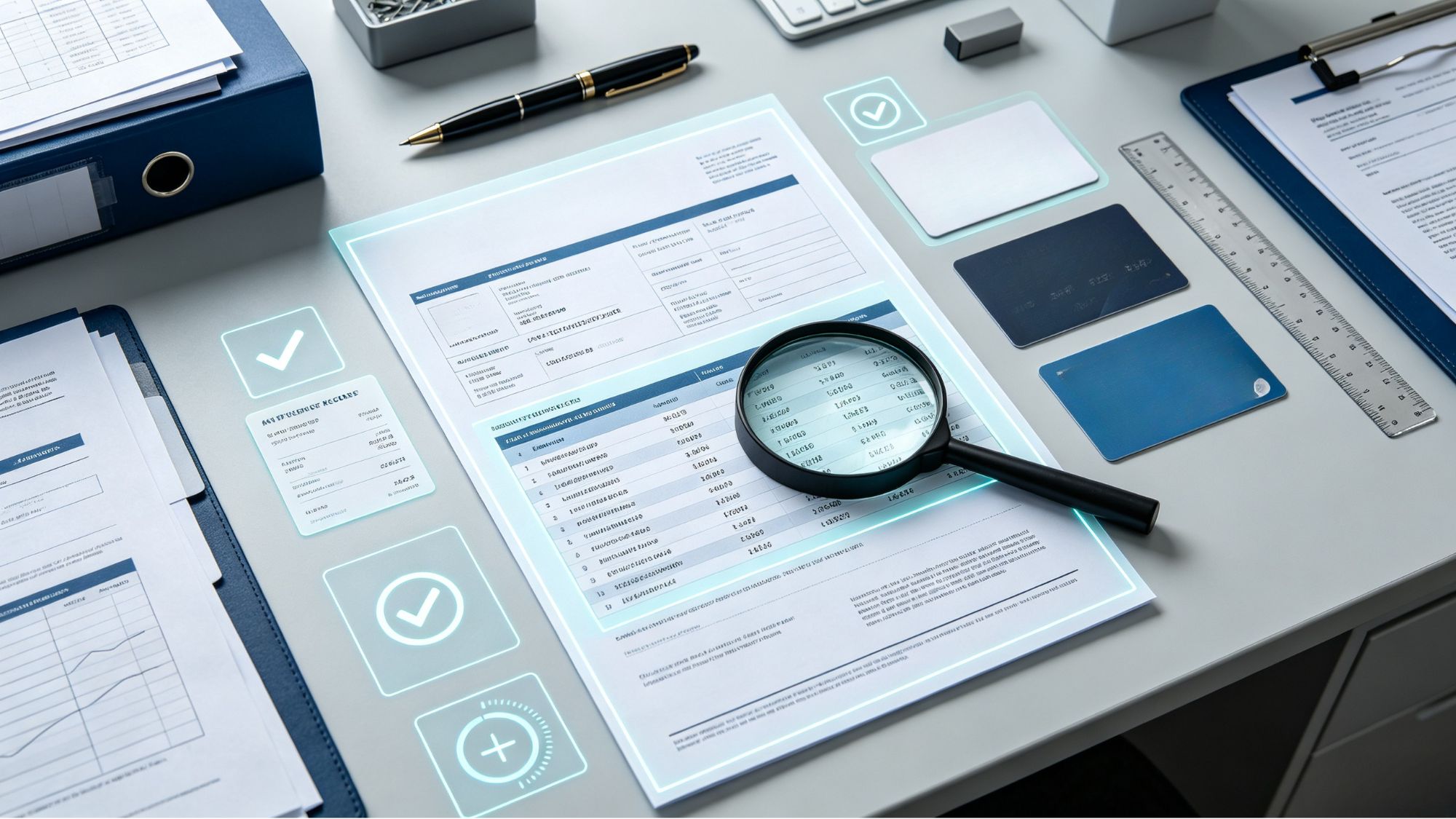
Credit accounts, sometimes called trade lines, contain much of the information used in credit evaluations.
Review each account for:
Incorrect payment information:
Check whether reported late payments match actual payment records.
Unknown accounts:
Look for credit cards, loans, or other accounts that are unfamiliar.
Incorrect balances or limits:
Wrong balances or credit limits may affect reported credit utilization.
Outdated information:
Review whether older negative information is still being reported according to applicable regulations.
Keeping supporting documents, such as payment confirmations or account statements, can help if a dispute is necessary.
Review Credit Inquiries and Collections
Credit reports include records of organizations that have requested access to credit information.
Consumers should verify that hard inquiries match actual credit applications. Unknown inquiries may require further investigation.
Collection accounts and other negative records should also be reviewed carefully to ensure the information is accurate and up to date.
Disputing Incorrect Information
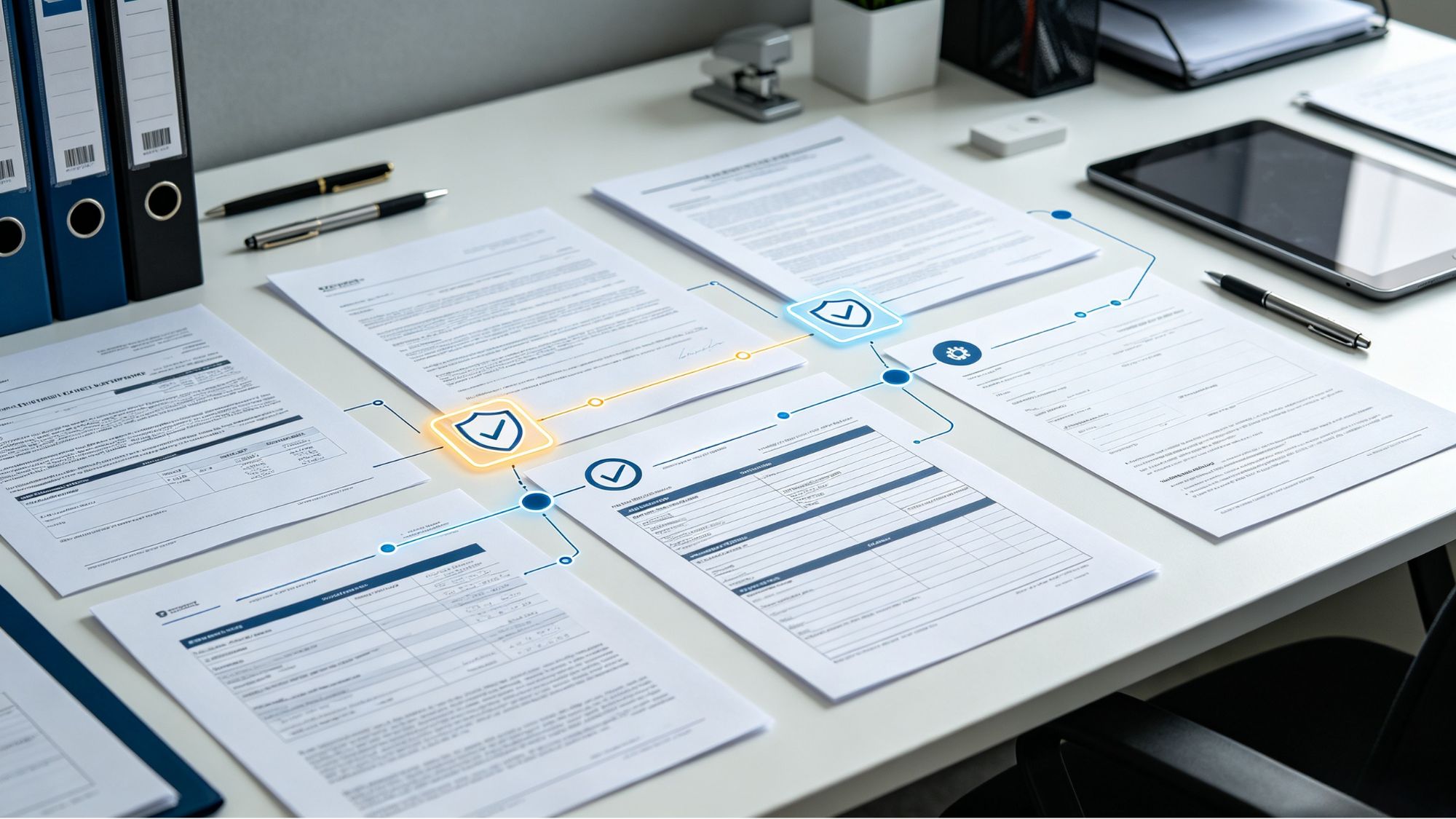
Finding an error is only the first step. Consumers who identify inaccurate information can submit disputes to the credit bureau reporting the mistake and may also contact the company that provided the information.
A dispute package may include:
A written explanation of the inaccurate information
Supporting documents
Identification materials requested by the reporting agency
Under the Fair Credit Reporting Act (FCRA), credit bureaus generally must investigate disputes within required timeframes, often within 30 days, although some cases may take longer.

Conclusion
Regularly reviewing a credit report can help consumers better understand their financial information and identify possible inaccuracies. By checking reports from all major credit bureaus, reviewing account details carefully, and using formal dispute procedures when necessary, consumers can maintain a more accurate credit profile.
A careful credit report review does not guarantee a specific lending outcome, but it can help ensure that financial decisions are based on reliable information.
Filed under
More Stories