Understanding Credit Types: Revolving Credit, Installment Loans, Secured Debt, and Unsecured Borrowing

Consumers encounter different types of credit throughout their financial lives. Credit cards, auto loans, mortgages, and personal loans all serve different purposes, and each product has its own repayment structure and risk characteristics.
To understand how borrowing works, it helps to look at credit products from two important perspectives: how the debt is repaid and whether the lender requires collateral.
Revolving Credit and Installment Loans: Different Repayment Structures
The first major difference between credit products is how borrowers access and repay funds.
Revolving Credit: Flexible Borrowing Limits
Revolving credit allows consumers to borrow repeatedly up to an approved credit limit. As balances are repaid, available credit can become available again.
Common examples include:
Credit cards
Home equity lines of credit (HELOCs)
Store credit accounts
Unlike fixed loans, revolving balances can change from month to month. Consumers usually make minimum payments each billing cycle, although paying the full balance may help avoid interest charges depending on the account terms.
Because revolving accounts affect credit utilization, maintaining reasonable balances can also influence credit score factors.
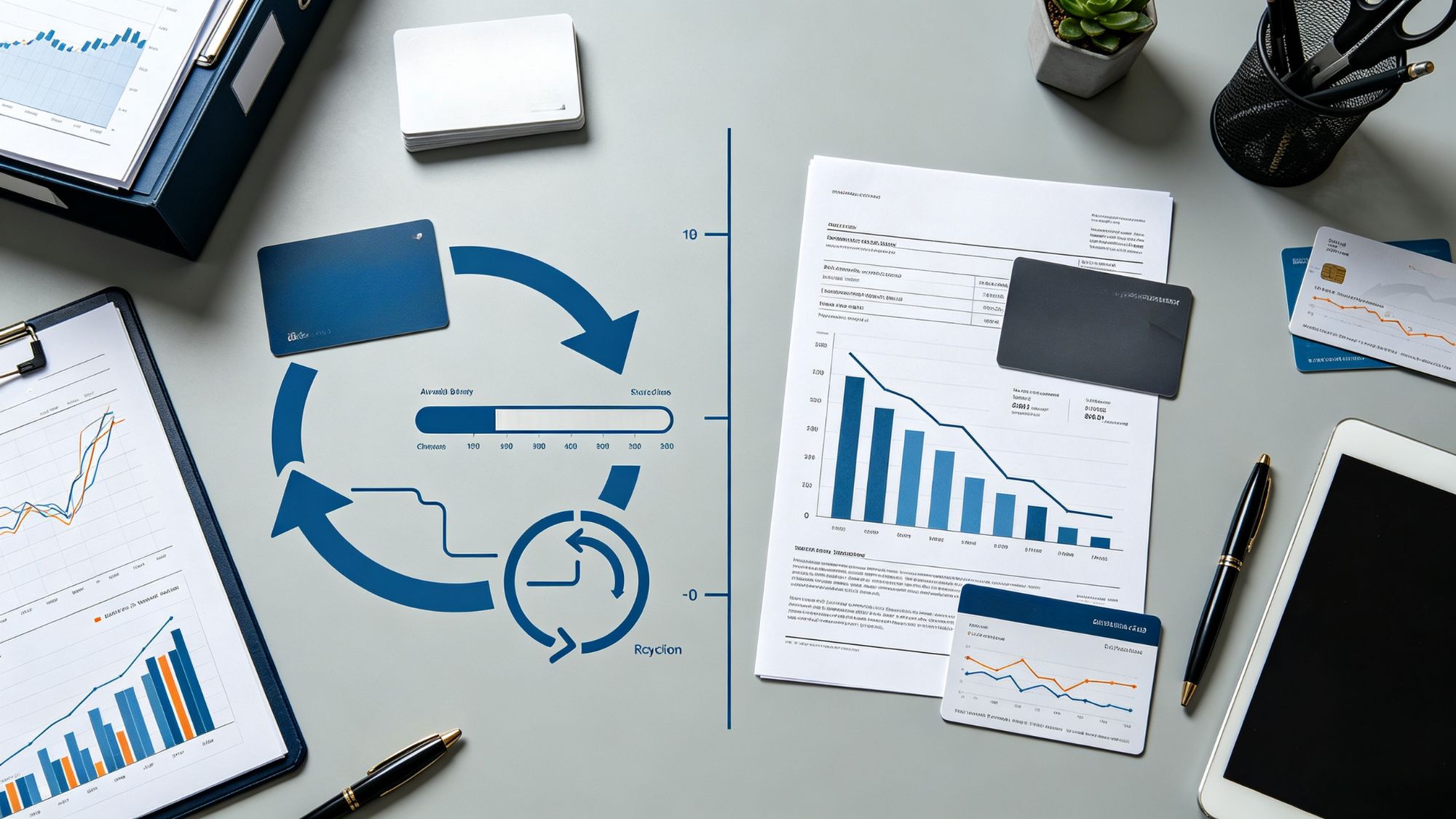
Installment Loans: Fixed Repayment Plans
Installment loans provide a specific amount of money upfront, which borrowers repay through scheduled payments over a set period.
Common examples include:
Mortgages
Auto loans
Personal installment loans
Many student loans
Each payment generally includes both principal and interest. Many installment loans use fixed interest rates, although some products may have variable rates depending on the agreement.
Secured and Unsecured Debt: How Lenders Manage Risk
Another way to classify borrowing products is whether the loan is backed by collateral.
Secured Debt: Borrowing Supported by Assets
Secured loans require an asset that can serve as collateral. If the borrower fails to repay the debt, the lender may have legal rights related to that asset according to the loan agreement and applicable laws.
Examples include:
Mortgages secured by real estate
Auto loans secured by vehicles
Secured credit cards backed by deposits
Because collateral can reduce potential losses for lenders, secured products often offer lower interest rates compared with similar unsecured borrowing options.

Unsecured Debt: Based on Creditworthiness
Unsecured borrowing does not require collateral. Instead, lenders evaluate factors such as credit history, credit scores, income, and overall financial situation.
Examples include:
Standard credit cards
Unsecured personal loans
Many student loan products
Since lenders do not have a specific asset to claim if repayment problems occur, unsecured borrowing often carries greater risk and may come with higher interest costs.

How These Categories Work Together
These classifications are not separate from each other. A financial product can belong to multiple categories at the same time.
For example:
A regular credit card is both revolving and unsecured.
A mortgage is generally an installment loan secured by property.
A home equity loan is both installment-based and secured.
Understanding these differences helps consumers compare borrowing options more effectively.
A credit card may provide flexibility but requires careful balance management. A mortgage may involve a long repayment period but is structured around a specific asset. Each type of credit has different costs, responsibilities, and risks.

Conclusion
Credit products are designed with different repayment structures and risk management approaches. Revolving credit provides flexible access to funds, while installment loans offer predictable repayment schedules. Secured debt uses collateral to reduce lender risk, whereas unsecured borrowing depends more heavily on creditworthiness.
By understanding these differences, consumers can better evaluate how different credit products work and make more informed decisions when managing their financial obligations.
Filed under
More Stories