Building Long-Term Credit Stability Without Relying on Continuous Borrowing

A strong credit history can influence many areas of personal finance, including loan applications, rental approvals, and access to financial services. However, many consumers misunderstand how credit scores are built and assume that maintaining good credit requires carrying debt balances or paying interest regularly.
In reality, credit scoring models generally focus on factors such as payment history, credit utilization, and account management habits. Building long-term credit stability does not require constant borrowing. Instead, it depends on responsible use of credit and consistent financial management.
Does Carrying a Credit Card Balance Improve Your Score?
One common misconception is that consumers need to carry a balance from month to month to build credit.
Credit scoring models do not reward consumers for paying interest. They evaluate whether accounts are managed responsibly, including whether payments are made on time and whether credit limits are used appropriately.
For example, a consumer who uses a credit card for regular expenses and pays the full statement balance each month may still build a positive payment history while avoiding unnecessary interest charges.
Paying the balance in full can provide two advantages:
Avoiding interest costs
Demonstrating responsible account management through regular payments
Creating a Simple Credit Management System
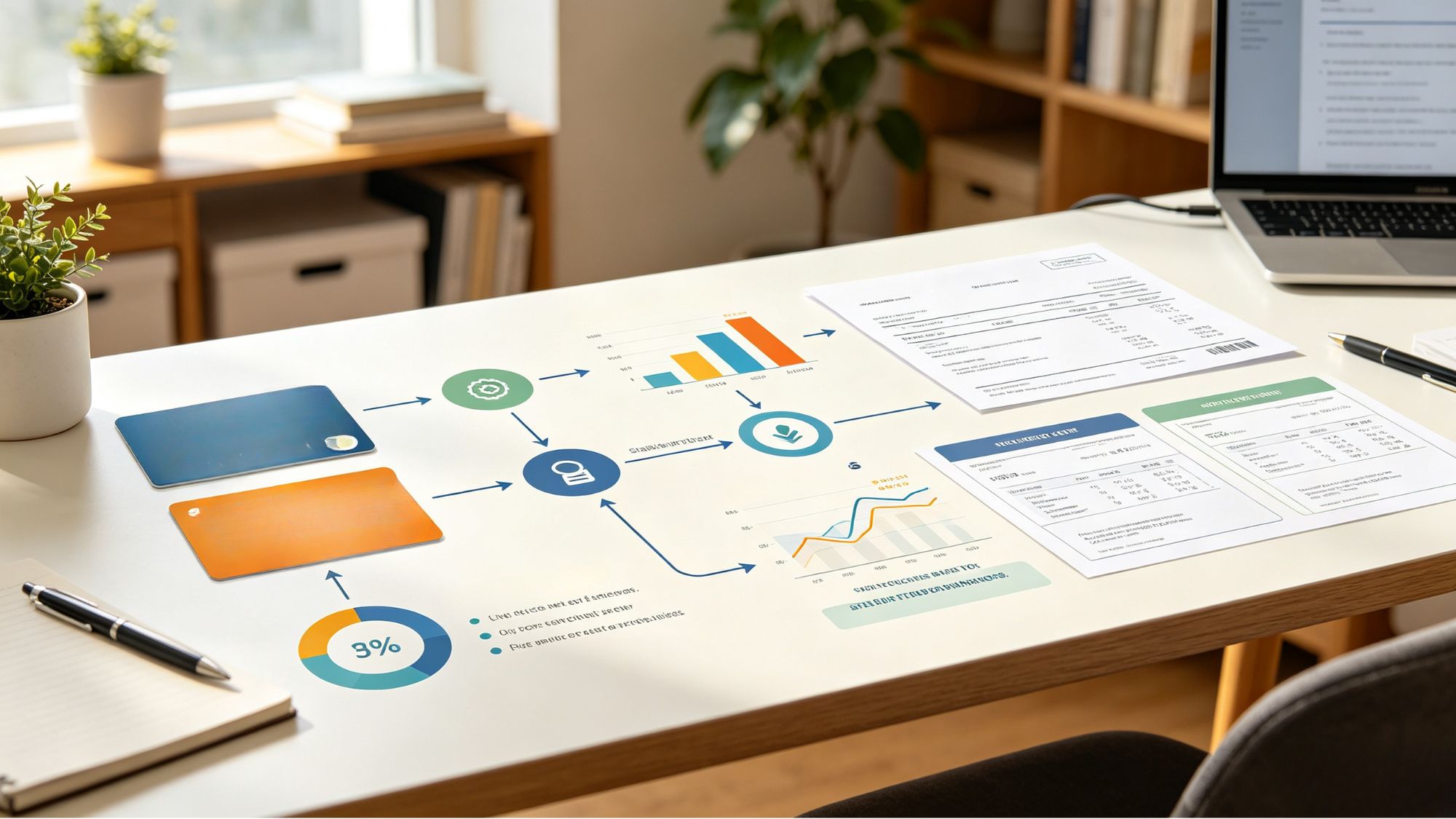
Consumers do not need numerous credit accounts to maintain a healthy credit profile. A smaller number of well-managed accounts may be easier to monitor and maintain.
Helpful practices include:
Keeping older accounts open when appropriate
Using credit cards for planned expenses
Setting up automatic payments to avoid missed due dates
Reviewing credit reports regularly
Automation can reduce administrative mistakes while helping consumers maintain consistent payment habits.

Separating Credit Limits From Spending Ability
A high credit limit does not represent additional income. One common financial mistake is viewing available credit as money that can be spent freely.
A healthier approach is to treat credit cards as payment tools rather than sources of extra spending power.
Before making a purchase with credit, consumers should consider whether they already have enough available cash to pay the balance.
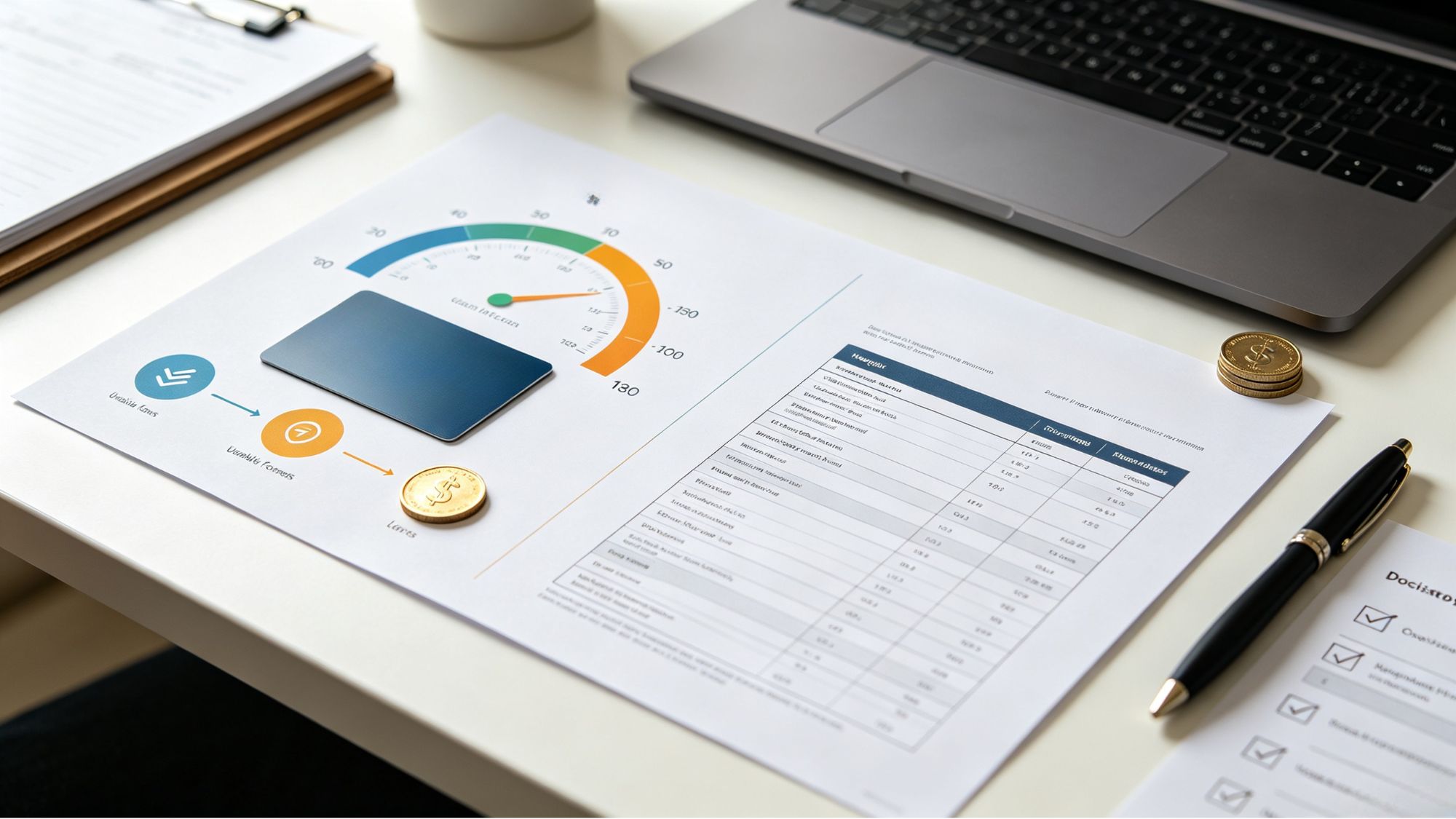
Maintaining reasonable credit utilization can also help prevent temporary increases in reported balances from affecting credit evaluations.
Preparing for Future Borrowing Needs
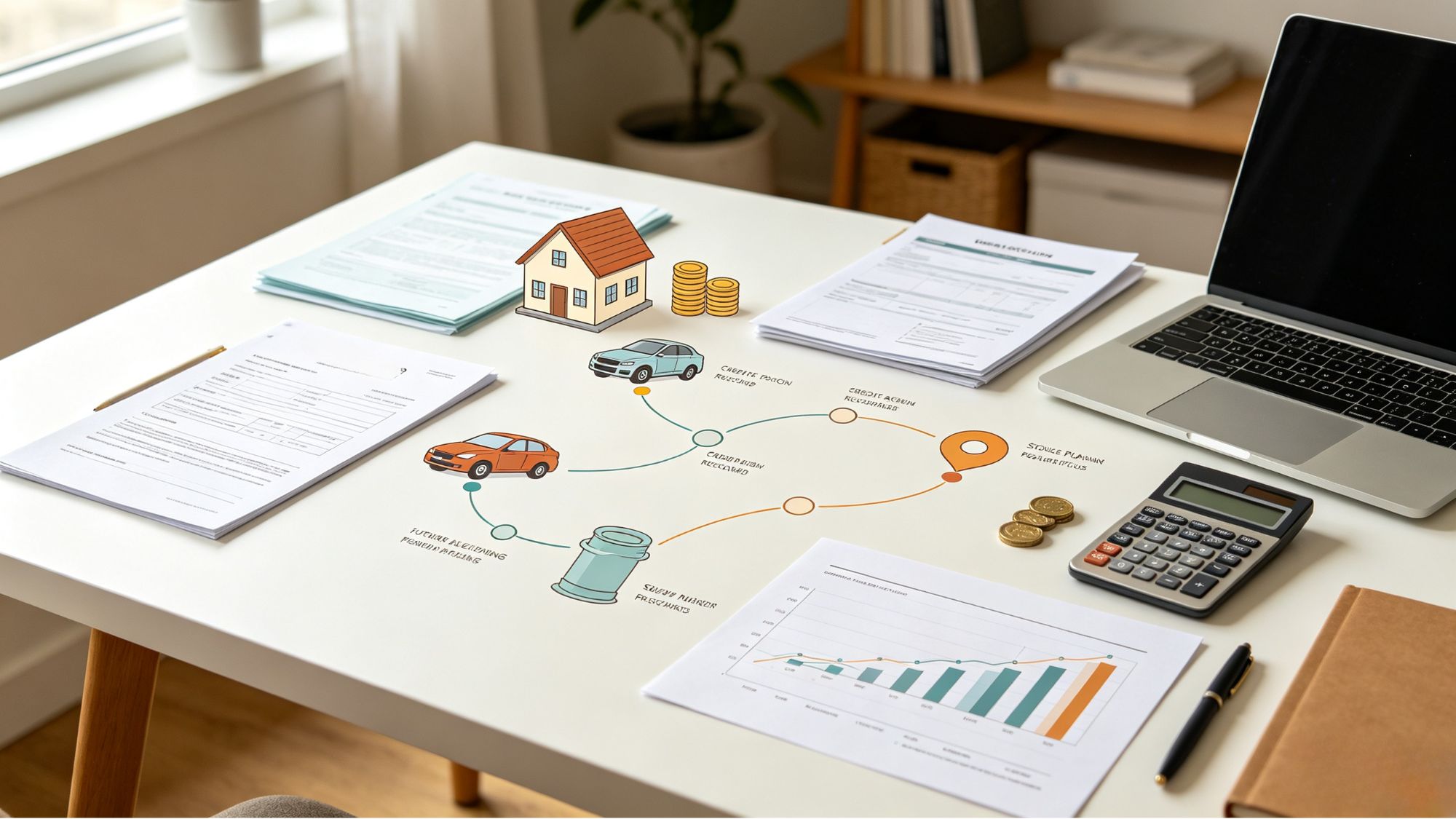
Consumers who manage credit carefully may be better positioned when major financial decisions arise, such as buying a home or financing a vehicle.
A strong credit profile usually comes from:
Consistent payment history
Manageable debt levels
Stable account management
Responsible borrowing decisions
However, lenders consider many factors beyond credit scores, including income, existing obligations, and overall financial circumstances.
Conclusion
Building long-term credit stability does not require constant borrowing or paying interest on debt. By using credit cards responsibly, maintaining manageable account structures, and focusing on consistent financial habits, consumers can develop stronger credit profiles without depending on continuous debt.
Treating credit as a financial management tool rather than an extension of spending power can help support healthier decisions over time.
Filed under
More Stories